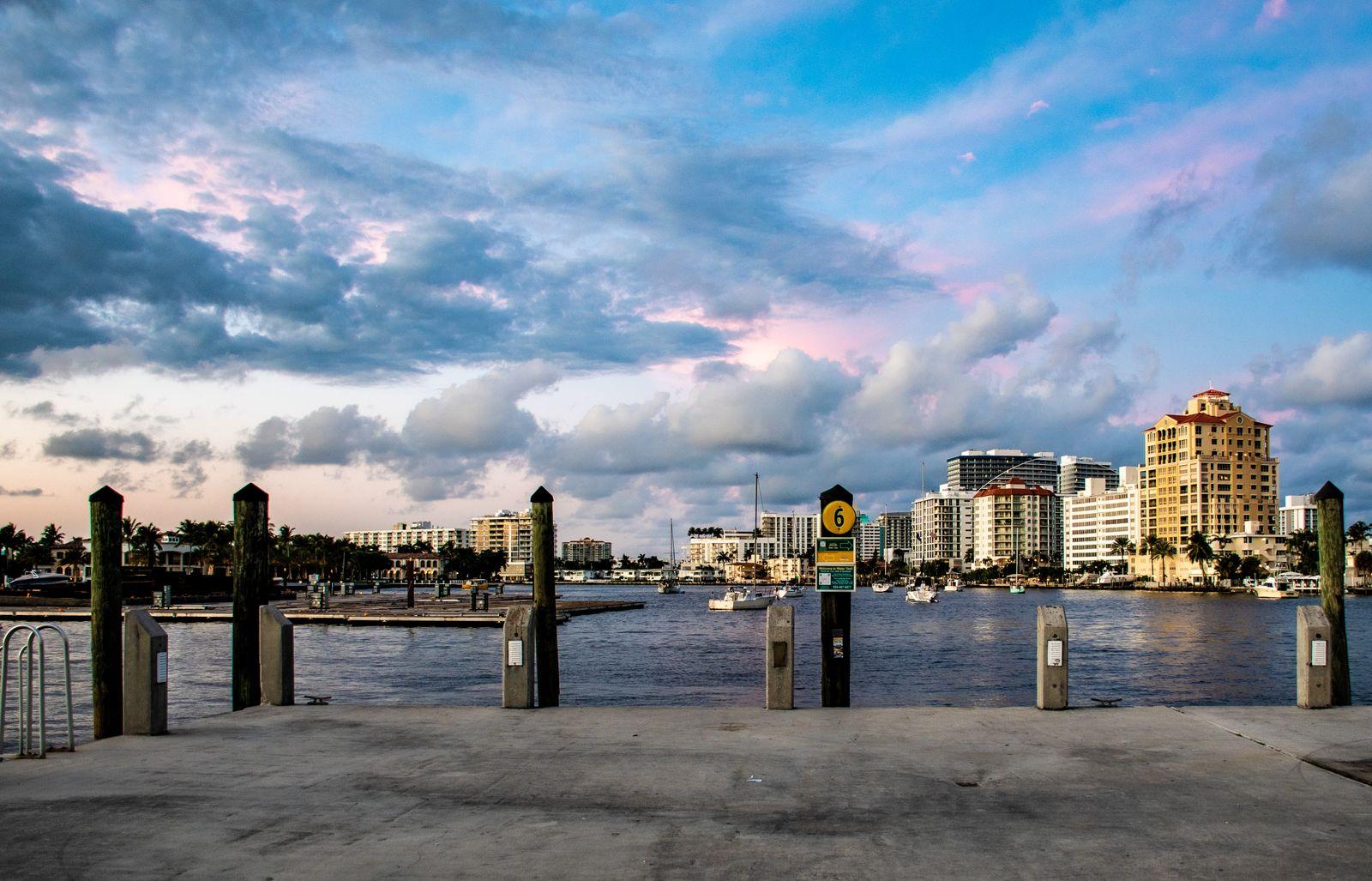
Dock, Boat Lift & Seawall Contractors in Jacksonville, FL
Jacksonville's waterfront runs the length of the St. Johns River, one of the few major rivers in North America that flows north, and that unusual hydrology shapes everything about how docks and seawalls perform here. Wide tidal swings, wake from commercial and recreational traffic, and a mix of brackish and freshwater reaches mean a dock built for the Ortega River behaves differently than one on Pottsburg Creek.
Boating & Waterfront Conditions in Jacksonville
Homeowners along the Ortega and San Jose stretches of the river deal with soft, silty bottoms that make piling depth and footing design critical, while properties nearer the main St. Johns channel need structures rated for heavier wake action from barge and cruise traffic.
The most common issues we see in Jacksonville are corroded galvanized hardware from the river's brackish water, wave-battered bulkheads along wider stretches of the St. Johns, and boat lifts that were undersized for the river's larger recreational vessels.
Day to day, the Jacksonville waterfront is defined by deep-water river frontage, tidal river currents, commercial barge traffic on the main channel, residential boat basins along the Ortega — the specific mix of conditions that determines what docks, boat lifts, and shoreline structures here have to stand up to, and what they cost to keep sound. Materials and construction details that work on a sheltered cove can fall short a mile away on open water, which is why local familiarity with St. Johns River matters as much as general marine construction skill. Contractors working Jacksonville regularly know which piling depths hold in these bottoms, which hardware survives this water chemistry, and how Duval County's permitting process actually moves.
Where We Work in Jacksonville
- Ortega
- San Marco
- Avondale
- Mandarin
- Arlington
- Riverside
- San Jose
- Beauclerc
- Main Street Bridge
- Friendship Fountain
- the Jacksonville riverwalks
- Ortega River Bridge
Waterfront Permitting in Duval County
Waterfront work in Duval County routes through the City of Jacksonville's building and zoning review, with most tidal projects also involving Florida DEP because docks and walls sit over state-owned submerged lands. Structures along the main St. Johns channel or the Intracoastal can additionally trigger Army Corps of Engineers review given the federally maintained navigation channels. In-kind repairs generally move quickly; new footprints, extensions, and covered structures take the fuller path — typically six to sixteen weeks depending on scope. The beach municipalities (Jacksonville Beach, Atlantic Beach, Neptune Beach) layer their own local review on top of county and state requirements.
Seasonal & Storm Considerations for Jacksonville Docks
River frontage here means big fetch: when wind lines up with a wide stretch of the St. Johns, waves build in a way canal properties never see, and hurricane season stacks storm surge on top of already-large tidal swings. Structures on open river face the region's heaviest year-round loading — which is why hardware condition and piling depth matter more on the river than anywhere else, and why pre-season inspections between May and June are the highest-value maintenance window of the year. Brackish river water also splits the difference chemically: salty enough to corrode standard hardware, fresh enough in wet years to host different growth than the inlets see.
Dock, Boat Lift & Seawall Services in Jacksonville
Full Service Catalog
Jacksonville Dock & Marine Construction FAQ
Get a Free Estimate in Jacksonville
Get matched with a local contractor who knows this waterway.