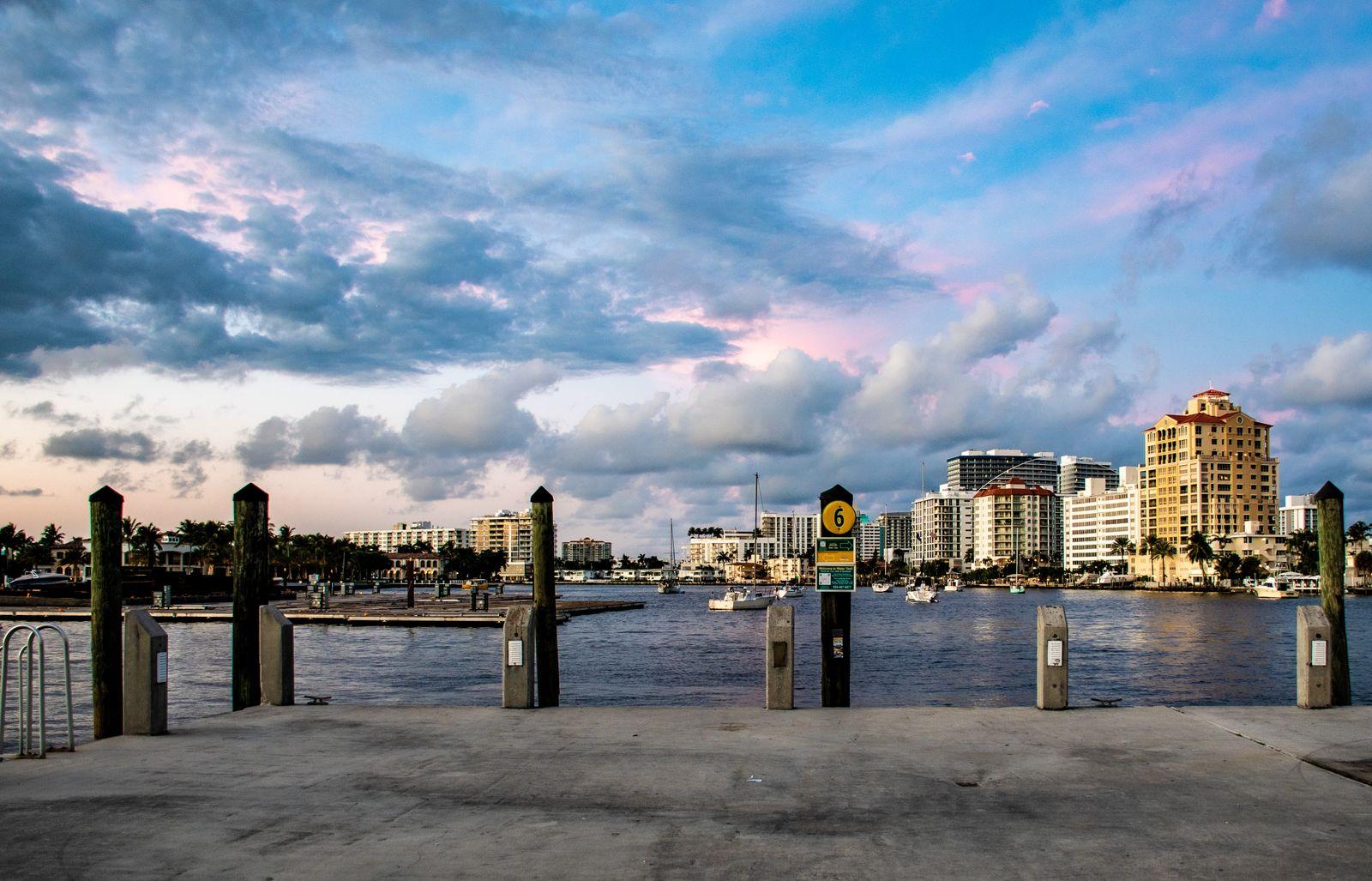
Seawall Contractor in Jacksonville, FL
Jacksonville's waterfront runs the length of the St. Johns River, one of the few major rivers in North America that flows north, and that unusual hydrology shapes everything about how docks and seawalls perform here. Wide tidal swings, wake from commercial and recreational traffic, and a mix of brackish and freshwater reaches mean a dock built for the Ortega River behaves differently than one on Pottsburg Creek. Along St. Johns River, Ortega River, Trout River, requests for seawall construction & repair are among the most common we see from Jacksonville waterfront owners.
Seawall Contractor on St. Johns River
Homeowners along the Ortega and San Jose stretches of the river deal with soft, silty bottoms that make piling depth and footing design critical, while properties nearer the main St. Johns channel need structures rated for heavier wake action from barge and cruise traffic. That matters directly for seawall construction & repair: Seawalls on wider rivers and the Intracoastal absorb real wave energy, not just soil pressure, which means the engineering margin matters more here than almost anywhere else on a waterfront property.
Common Local Issues
The most common issues we see in Jacksonville are corroded galvanized hardware from the river's brackish water, wave-battered bulkheads along wider stretches of the St. Johns, and boat lifts that were undersized for the river's larger recreational vessels. Near Main Street Bridge and throughout Ortega, San Marco, Avondale, these conditions shape how we approach every seawall construction & repair project.
Seawall Construction & Repair: What to Know
Seawalls do harder duty than bulkheads: beyond retaining soil, they absorb and deflect real wave energy — the wake of the St. Johns' shipping channel, wind-driven chop on open Intracoastal frontage, and the surge that tropical systems push up First Coast rivers. That energy difference drives everything about how a seawall must be engineered: deeper embedment so scour at the toe can't undermine it, stronger panels and caps, and drainage designed for water arriving over the top as well as from behind.
The leading cause of seawall failure in Northeast Florida isn't wave impact — it's hydrostatic pressure from blocked or absent drainage. Water trapped behind the wall after heavy rain or a falling tide pushes outward with enormous force, bowing panels and cracking caps from the land side. The second is toe scour: waves reflecting off a vertical wall dig at its base until the wall loses its footing. Both failure modes are designable-around — weep systems, filter fabric, adequate embedment, and in higher-energy locations rip rap at the toe to break up reflected energy — which is why two walls of identical material can have wildly different lifespans.
Materials follow exposure. Concrete panel and king-pile systems handle the highest wave loads and anchor the top of the cost range. Vinyl sheet piling performs well in moderate exposure and dominates residential replacement work. Steel appears in special cases. On many First Coast properties, the strongest answer is hybrid: a hard wall for grade retention with rock at the toe for energy dissipation — engineering matched to the specific shoreline rather than a catalog default.
Seawall work is permit-intensive because the wall sits at the boundary of state waters: county review plus FDEP is the norm, with Corps involvement on some waterways. Condition matters for timing, too — a wall showing early cracking can usually be repaired and resealed for years of added life, while visible rotation or soil loss behind the wall means engineering review now. After any major storm, walk your wall and photograph changes; post-storm windows sometimes carry expedited repair permitting.
Seawall Contractor Costs in Jacksonville
Across Jacksonville and the surrounding Duval County waterfront, seawall construction & repair projects typically fall within $300 – $800+ per linear foot. Where a specific project lands in that range comes down to wave exposure level of the shoreline, wall height and required embedment depth, drainage system complexity — and to site conditions on St. Johns River, since access, water depth, and bottom composition all affect labor and equipment needs. The most reliable way to know your number is a site-specific assessment: photos and a conversation produce a preliminary estimate, and an on-site visit turns it into a firm written quote.
Serving All of Jacksonville
Including Ortega, San Marco, Avondale, Mandarin and waterfront property along St. Johns River and Ortega River.
Permitting for Seawall Contractor in Duval County
Waterfront work in Duval County routes through the City of Jacksonville's building and zoning review, with most tidal projects also involving Florida DEP because docks and walls sit over state-owned submerged lands. Structures along the main St. Johns channel or the Intracoastal can additionally trigger Army Corps of Engineers review given the federally maintained navigation channels. In-kind repairs generally move quickly; new footprints, extensions, and covered structures take the fuller path — typically six to sixteen weeks depending on scope. The beach municipalities (Jacksonville Beach, Atlantic Beach, Neptune Beach) layer their own local review on top of county and state requirements.
Seasonal & Storm Considerations in Jacksonville
River frontage here means big fetch: when wind lines up with a wide stretch of the St. Johns, waves build in a way canal properties never see, and hurricane season stacks storm surge on top of already-large tidal swings. Structures on open river face the region's heaviest year-round loading — which is why hardware condition and piling depth matter more on the river than anywhere else, and why pre-season inspections between May and June are the highest-value maintenance window of the year. Brackish river water also splits the difference chemically: salty enough to corrode standard hardware, fresh enough in wet years to host different growth than the inlets see.
Signs You Need Seawall Contractor
- Cracking or spalling concrete along the wall face
- Visible tilting or displacement after a storm
- Erosion or voids forming behind or beneath the wall
- Water intrusion through panel joints during high tide
How It Works
- 1Wave & soil analysis
We assess wave exposure, tidal range, and soil conditions specific to your shoreline.
- 2Engineering & permitting
We design to current Florida Building Code wind/wave standards and manage county, state, and federal permitting.
- 3Construction
We build using concrete panel, vinyl sheet pile, or hybrid systems suited to your exposure level.
- 4Cap & drainage finish
We complete the cap and install drainage to relieve hydrostatic pressure behind the wall.
Why It's Worth Doing Right
- Protects against both soil loss and direct wave impact
- Engineered for Florida's hurricane wind and storm surge standards
- Properly designed drainage prevents the #1 cause of premature seawall failure
Seawall Contractor FAQ — Jacksonville
Get a Free Seawall Contractor Estimate in Jacksonville
Get matched with local contractors serving Jacksonville and St. Johns River.