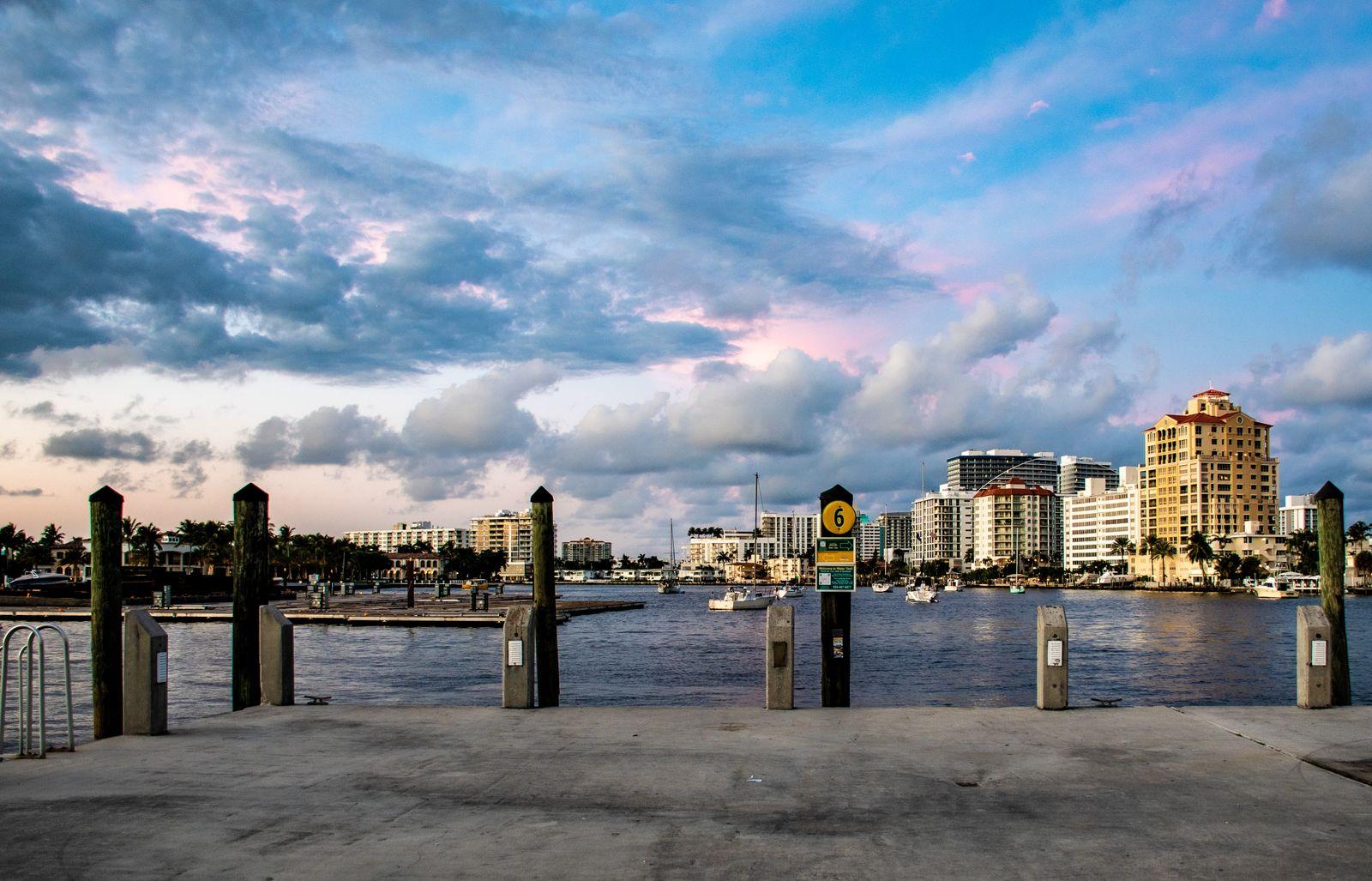
Dock Cleaning & Maintenance in Jacksonville, FL
Jacksonville's waterfront runs the length of the St. Johns River, one of the few major rivers in North America that flows north, and that unusual hydrology shapes everything about how docks and seawalls perform here. Wide tidal swings, wake from commercial and recreational traffic, and a mix of brackish and freshwater reaches mean a dock built for the Ortega River behaves differently than one on Pottsburg Creek. Along St. Johns River, Ortega River, Trout River, requests for dock cleaning & maintenance are among the most common we see from Jacksonville waterfront owners.
Dock Cleaning & Maintenance on St. Johns River
Homeowners along the Ortega and San Jose stretches of the river deal with soft, silty bottoms that make piling depth and footing design critical, while properties nearer the main St. Johns channel need structures rated for heavier wake action from barge and cruise traffic. That matters directly for dock cleaning & maintenance: Saltwater algae, mold, and barnacles don't just look bad — left alone, they hold moisture against wood and hardware and quietly accelerate the exact deterioration that leads to a repair bill. Regular cleaning is the cheapest thing you can do to extend a dock's life.
Common Local Issues
The most common issues we see in Jacksonville are corroded galvanized hardware from the river's brackish water, wave-battered bulkheads along wider stretches of the St. Johns, and boat lifts that were undersized for the river's larger recreational vessels. Near Main Street Bridge and throughout Ortega, San Marco, Avondale, these conditions shape how we approach every dock cleaning & maintenance project.
Dock Cleaning & Maintenance: What to Know
Dock cleaning in Florida is maintenance, not cosmetics. Algae and mold don't just stain decking — they hold a film of moisture against the wood that accelerates rot and makes the surface genuinely dangerous when wet. Barnacles and oyster growth on pilings trap water against the timber and give marine borers cover to work. A dock that gets professionally cleaned once or twice a year and resealed on schedule simply lasts longer than one that doesn't, and the price difference between a cleaning program and premature structural repair is enormous.
Pressure washing a dock correctly is about restraint as much as power. Softwood decking etches and splinters under the pressure that a concrete driveway shrugs off; older composite can scar; and blasting at close range drives water into fastener holes and end grain, which is exactly where decay starts. We match pressure, tip, and technique to the material — and pair washing with debris and growth removal below the deckline, where buildup does its quietest damage to pilings and cross-bracing.
The sealing step is where the long-term value lives. Florida UV is brutal on bare wood: unsealed decking grays, checks, and starts shedding fasteners years ahead of schedule. A penetrating UV-rated sealer applied to clean, dry wood buys real protection against both sun and water intrusion. On the First Coast's exposure, budget for reapplication roughly every one to two years on horizontal surfaces — the honest interval, not the label's optimistic one.
Cleaning visits also double as early-warning inspections. Crews with eyes on every board, piling, and connection point catch soft spots, corroded hardware, and piling necking while they're still cheap problems. It's common for a routine cleaning to surface a $300 repair that would have been a $3,000 repair two years later — which is the whole argument for putting dock care on a schedule rather than waiting for something to visibly fail.
Dock Cleaning & Maintenance Costs in Jacksonville
Across Jacksonville and the surrounding Duval County waterfront, dock cleaning & maintenance projects typically fall within $0.50 – $1.25 per sq ft, plus $175–$400 for heavier debris/marine growth removal. Where a specific project lands in that range comes down to dock square footage, severity of algae, mold, or barnacle buildup, wood vs. composite (affects pressure and product choice) — and to site conditions on St. Johns River, since access, water depth, and bottom composition all affect labor and equipment needs. The most reliable way to know your number is a site-specific assessment: photos and a conversation produce a preliminary estimate, and an on-site visit turns it into a firm written quote.
Serving All of Jacksonville
Including Ortega, San Marco, Avondale, Mandarin and waterfront property along St. Johns River and Ortega River.
Permitting for Dock Cleaning & Maintenance in Duval County
No Duval County permit is required for dock cleaning & maintenance — nothing is being built or altered. Permitting matters for what comes next, since this work frequently identifies repairs that do need approval. Here is how that process works locally. Waterfront work in Duval County routes through the City of Jacksonville's building and zoning review, with most tidal projects also involving Florida DEP because docks and walls sit over state-owned submerged lands. Structures along the main St. Johns channel or the Intracoastal can additionally trigger Army Corps of Engineers review given the federally maintained navigation channels. In-kind repairs generally move quickly; new footprints, extensions, and covered structures take the fuller path — typically six to sixteen weeks depending on scope. The beach municipalities (Jacksonville Beach, Atlantic Beach, Neptune Beach) layer their own local review on top of county and state requirements.
Seasonal & Storm Considerations in Jacksonville
River frontage here means big fetch: when wind lines up with a wide stretch of the St. Johns, waves build in a way canal properties never see, and hurricane season stacks storm surge on top of already-large tidal swings. Structures on open river face the region's heaviest year-round loading — which is why hardware condition and piling depth matter more on the river than anywhere else, and why pre-season inspections between May and June are the highest-value maintenance window of the year. Brackish river water also splits the difference chemically: salty enough to corrode standard hardware, fresh enough in wet years to host different growth than the inlets see.
Signs You Need Dock Cleaning & Maintenance
- Algae, mold, or mildew staining the decking
- Barnacles or marine growth built up on pilings and lower framing
- Decking that's slippery when wet, even without visible rot
- Faded, graying wood that hasn't been sealed in a few years
- Debris accumulation making the dock feel neglected or unsafe
How It Works
- 1Inspection
We check the deck, pilings, and hardware so cleaning doesn't mask a problem that actually needs repair first.
- 2Pressure washing
We remove algae, mold, and barnacle buildup at a pressure safe for wood or composite decking.
- 3Debris & marine growth removal
We clear heavier buildup from pilings and framing below the deckline.
- 4Wood treatment & UV sealing
We apply a UV-rated sealant to protect wood from sun and saltwater damage going forward.
Why It's Worth Doing Right
- Extends the usable life of decking and hardware between repairs
- Removes a slip hazard caused by algae and marine growth
- Restores appearance and curb appeal for resale or everyday enjoyment
- Far cheaper than the repair costs that neglected wood eventually causes
Dock Cleaning & Maintenance FAQ — Jacksonville
Get a Free Dock Cleaning & Maintenance Estimate in Jacksonville
Get matched with local contractors serving Jacksonville and St. Johns River.