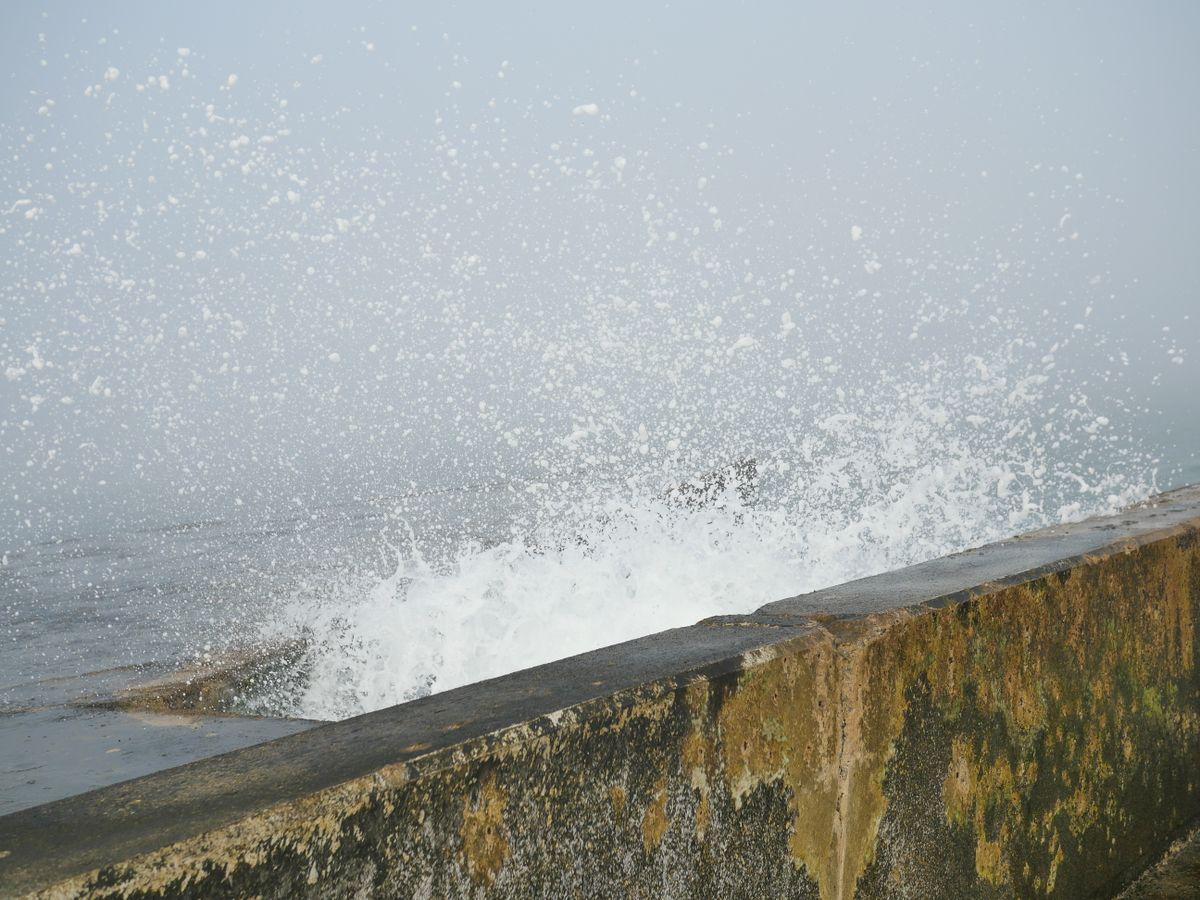
Rip Rap Installation
Rip rap is often the most cost-effective and lowest-maintenance shoreline protection available, using strategically placed rock to dissipate wave energy instead of resisting it head-on the way a rigid wall does.
Rip Rap Installation in Northeast Florida
Rip rap is the shoreline protection that works with water instead of against it. Where a vertical wall reflects wave energy — often scouring its own toe and the neighboring shoreline in the process — a graded rock slope absorbs it, breaking waves apart across hundreds of irregular faces. For moderate-energy First Coast shorelines, that physics makes rip rap both the cheaper installation and frequently the longer-lived one: there's no panel to crack, no tie-back to corrode, and no cap to undermine. Individual stones can settle over decades, but the system doesn't have a single point of failure.
A real rip rap installation is more than dumped rock. The slope gets shaped first, then lined with filter fabric — the critical, invisible layer that lets water drain through while keeping the soil behind it from washing out between stones. Rock is then placed in graded layers sized to the site's wave energy, from stable armor stone down to smaller bedding rock. Skip the fabric, as cut-rate installs sometimes do, and the shoreline quietly erodes behind the rock until the whole revetment slumps — the most common failure we're called to redo.
There's also an ecological upside that regulators recognize: rip rap creates habitat. Crevices shelter crabs and juvenile fish, oysters colonize the lower stones, and wading birds hunt the structure. On many projects that profile means smoother environmental permitting than a new vertical wall, and rip rap is frequently the recommended answer where agencies push back on hardened shorelines. It also pairs well with structures — placed at the toe of an existing seawall, rock dramatically cuts the scour and reflected energy that shorten the wall's life.
Expect permitting in every First Coast county, typically with FDEP involvement on tidal shorelines, and a construction window measured in days for most residential runs once rock is delivered. Maintenance is minimal: an occasional check after major storms and topping up settled sections every decade or so.
Signs You Need Rip Rap Installation
- Gradual shoreline erosion without a hard structure in place
- You want a lower-cost, lower-maintenance alternative to a seawall
- Existing rip rap has settled, shifted, or thinned over time
- You want a more natural-looking shoreline treatment
How It Works
- 1Shoreline assessment
We evaluate erosion patterns, wave exposure, and slope to determine rock size and layer depth.
- 2Permitting
We secure required environmental permits, particularly important near protected shoreline vegetation.
- 3Filter fabric & base prep
We install geotextile fabric to prevent soil migration through the rock layer.
- 4Rock placement
We place graded rock in the engineered configuration for your specific exposure level.
Why Invest in Rip Rap Installation
- Lower cost than rigid seawall construction in many applications
- Dissipates wave energy rather than reflecting it, reducing scour
- Lower long-term maintenance than timber structures
- More natural appearance that supports shoreline habitat
What It Costs
- Rock size and quantity required
- Slope and shoreline length
- Filter fabric and base preparation needs
- Site access
Rip Rap Installation Questions
Get a Free Rip Rap Installation Estimate
Get matched with local contractors serving all of Northeast Florida.