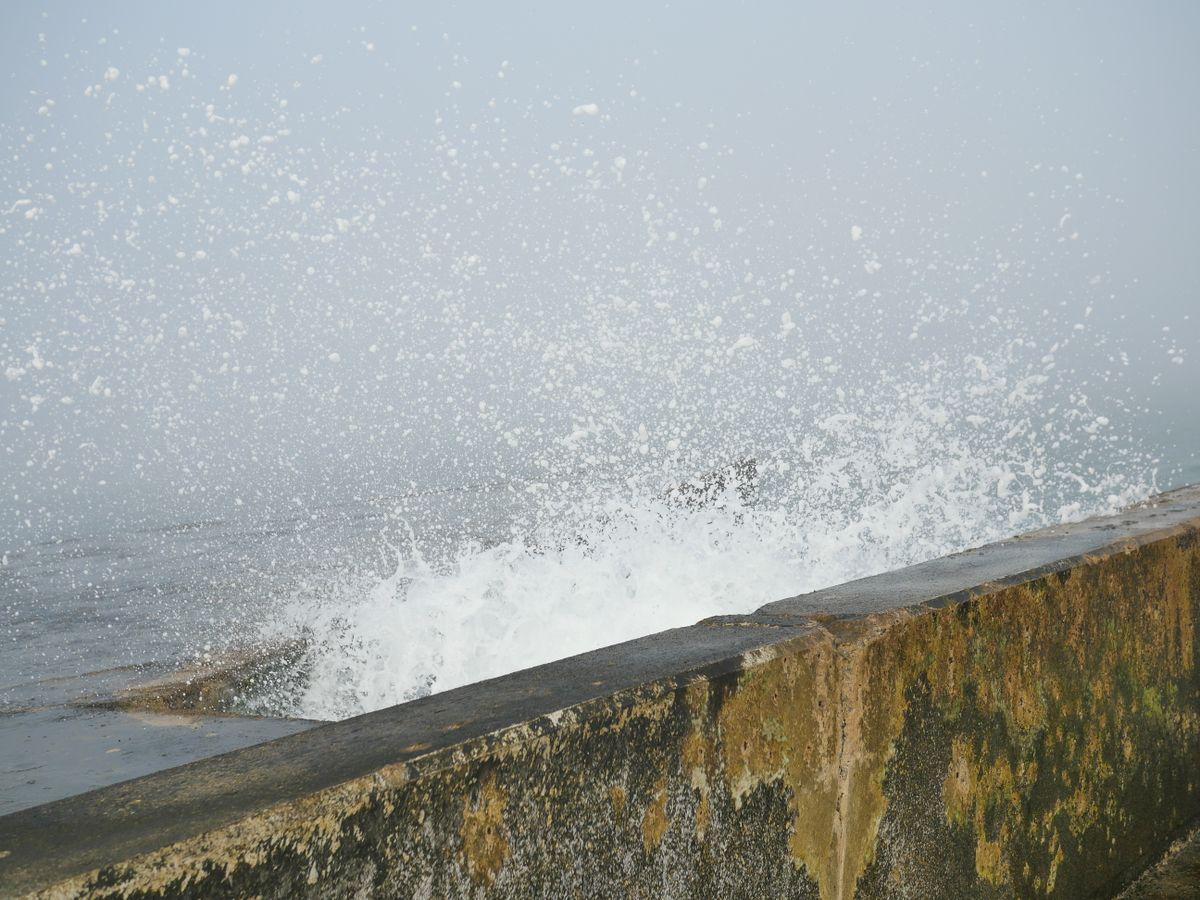
Shoreline Stabilization
Not every eroding shoreline needs a hard structure. Living shoreline techniques — combining native vegetation, rock sills, and graded slopes — can stabilize a bank while preserving a more natural waterfront.
Shoreline Stabilization in Northeast Florida
Not every eroding shoreline needs a wall, and on much of the First Coast the better answer is the softer one. Shoreline stabilization spans a spectrum: full living shorelines built from native marsh grasses and oyster structure, rock sills that trim wave energy while marsh establishes behind them, graded and planted slopes, and hybrid designs that combine rock, vegetation, and structure where each does its best work. The right point on that spectrum depends on wave energy, boat traffic, bottom conditions, and what you want your waterfront to be — a natural edge, a hardened line, or something between.
Living shorelines earn their popularity where conditions allow. Marsh grass roots bind sediment and actually build elevation over time, meaning the protection strengthens with age rather than deteriorating like every hardened structure eventually does. The habitat value is real — juvenile fish, wading birds, crabs, oyster recruitment — and Florida's permitting system openly favors them: living shoreline projects frequently qualify for streamlined state review that a new vertical wall wouldn't get. Their honest limitation is energy: high-wake and open-fetch shorelines can overwhelm young vegetation, which is where sills and hybrids come in.
The most versatile First Coast solution is often the hybrid: a low rock sill just offshore knocks down incoming wave energy; planted marsh behind it stabilizes and builds the bank; existing structure, where present, gets protected instead of replaced. Hybrids handle the wake energy of busy waterways like the Intracoastal while preserving the natural edge — and they can be phased, protecting the worst spots first and extending as budgets allow.
Every stabilization approach still involves permitting on tidal water, but the pathway is generally friendlier than hardened-structure review, and we manage it as part of design. If your bank is losing measurable ground each year — fence posts migrating, trees undercutting, the yard shortening — earlier intervention means more options: a shoreline caught early can often be stabilized with vegetation and modest rock, while one left to erode may leave a wall as the only remaining answer.
Signs You Need Shoreline Stabilization
- Gradual bank erosion without an existing hard structure
- You want to preserve natural shoreline appearance and habitat
- Wave action is undercutting vegetation and topsoil
- A property survey shows measurable shoreline recession over recent years
How It Works
- 1Erosion analysis
We assess wave energy, current, and soil type to determine the right stabilization approach.
- 2Method selection
We recommend a living shoreline, rock sill, rip rap, or hybrid approach suited to your exposure level.
- 3Permitting
Living shoreline and habitat-adjacent projects often qualify for streamlined state permitting.
- 4Installation
We install vegetation, rock, or structural elements as designed.
Why Invest in Shoreline Stabilization
- Preserves natural shoreline habitat and appearance where feasible
- Often more cost-effective than a full seawall for moderate erosion
- Living shoreline projects can qualify for simplified state permitting
What It Costs
- Method selected (vegetation, rock sill, hybrid)
- Shoreline length and erosion severity
- Permitting pathway
Shoreline Stabilization Questions
Get a Free Shoreline Stabilization Estimate
Get matched with local contractors serving all of Northeast Florida.