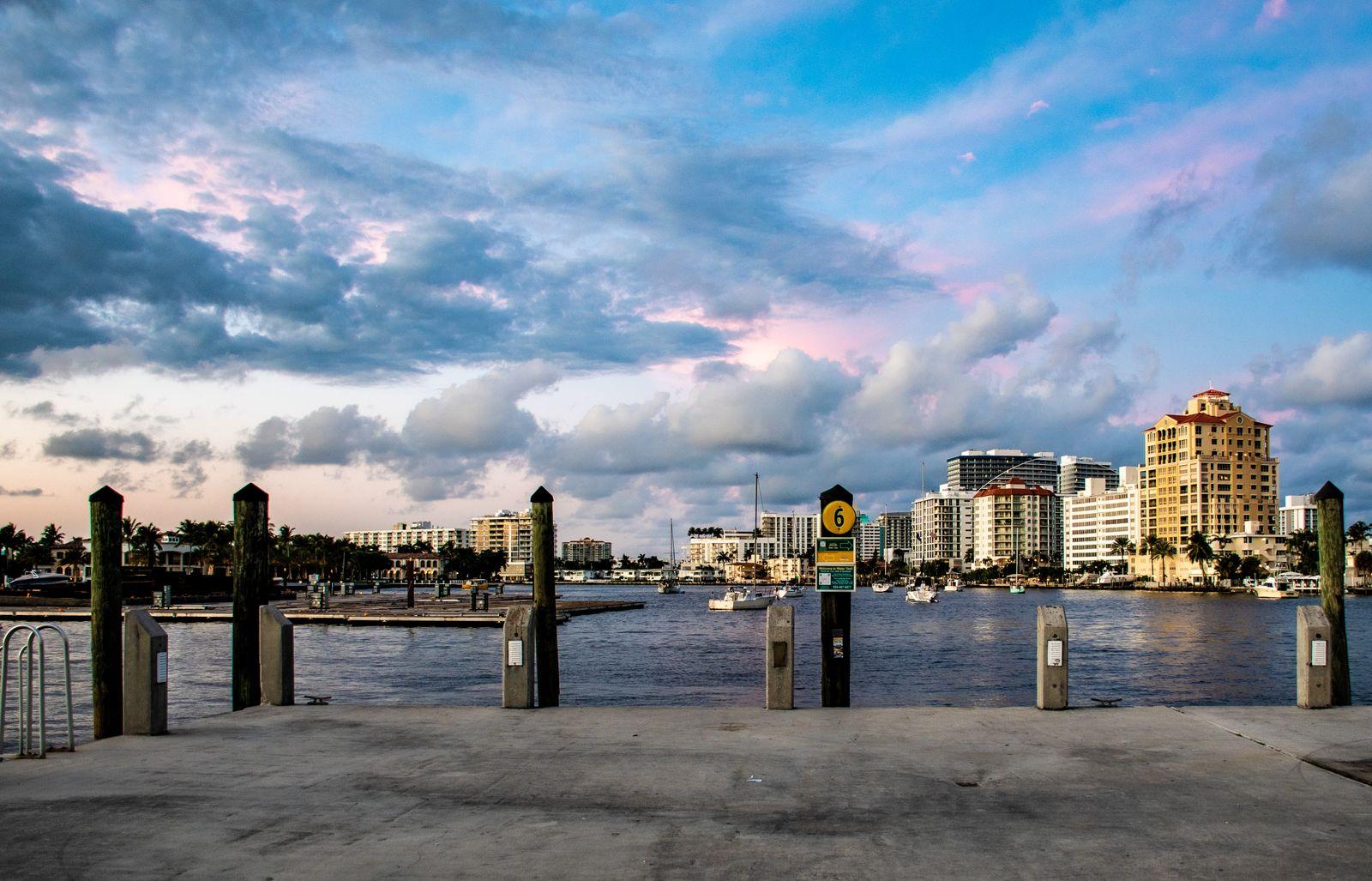
Dock Repair in Jacksonville, FL
Jacksonville's waterfront runs the length of the St. Johns River, one of the few major rivers in North America that flows north, and that unusual hydrology shapes everything about how docks and seawalls perform here. Wide tidal swings, wake from commercial and recreational traffic, and a mix of brackish and freshwater reaches mean a dock built for the Ortega River behaves differently than one on Pottsburg Creek. Along St. Johns River, Ortega River, Trout River, requests for dock repair are among the most common we see from Jacksonville waterfront owners.
Dock Repair on St. Johns River
Homeowners along the Ortega and San Jose stretches of the river deal with soft, silty bottoms that make piling depth and footing design critical, while properties nearer the main St. Johns channel need structures rated for heavier wake action from barge and cruise traffic. That matters directly for dock repair: From a handful of soft boards to a full structural refit, our dock repair crews diagnose the real problem — not just the visible symptom — before we start work, so you're not paying to patch the same issue twice.
Common Local Issues
The most common issues we see in Jacksonville are corroded galvanized hardware from the river's brackish water, wave-battered bulkheads along wider stretches of the St. Johns, and boat lifts that were undersized for the river's larger recreational vessels. Near Main Street Bridge and throughout Ortega, San Marco, Avondale, these conditions shape how we approach every dock repair project.
Dock Repair: What to Know
Dock repair on the First Coast is rarely about a single broken board. Saltwater and brackish water attack a dock from three directions at once: UV and foot traffic wear the decking from above, corrosion eats hardware at the connection points, and rot or marine borers work on pilings at and below the waterline where you can't easily see the damage. A repair that only addresses the visible symptom — swapping a soft board without checking the stringer beneath it — tends to come back as a bigger bill within a couple of seasons. That's why every repair we coordinate starts with a structural look at what's underneath, not just what's on top.
The most common repairs on Northeast Florida docks fall into a few families. Decking repairs cover cracked, cupped, or rotted boards and the popped fasteners that create trip hazards. Hardware repairs replace corroded bolts, joist hangers, cleats, piling caps, bumpers, ladders, and railing connections with hot-dip galvanized or marine-grade stainless components. Structural repairs address failing stringers, cross-bracing, and pilings — the work that actually keeps a dock standing, and the category where cutting corners costs the most later.
Repair versus replace is mostly a math question. If the pilings and primary frame are sound, targeted repairs almost always win: you can replace every board on a dock for a fraction of rebuild cost as long as the skeleton is healthy. Once multiple pilings have failed or the frame has racked out of square, continuing to patch becomes false economy — each repair is anchored to a structure that's moving. A good rule of thumb on the First Coast: when a repair estimate approaches half the cost of replacement, get both numbers in writing and compare expected lifespans, not just prices.
Timing matters more here than in most markets. Florida's hurricane season runs June through November, and a dock with loose hardware or compromised bracing sheds pieces in exactly the storms that fill contractor schedules for months afterward. Repairs booked in winter and spring typically get faster scheduling and calmer water for the crew — and mean your dock enters storm season tight rather than vulnerable.
Dock Repair Costs in Jacksonville
Across Jacksonville and the surrounding Duval County waterfront, dock repair projects typically fall within $400 – $6,000+ per repair project. Where a specific project lands in that range comes down to extent of decking, framing, or piling damage, wood vs. composite vs. aluminum materials, water depth and structure accessibility — and to site conditions on St. Johns River, since access, water depth, and bottom composition all affect labor and equipment needs. The most reliable way to know your number is a site-specific assessment: photos and a conversation produce a preliminary estimate, and an on-site visit turns it into a firm written quote.
Serving All of Jacksonville
Including Ortega, San Marco, Avondale, Mandarin and waterfront property along St. Johns River and Ortega River.
Permitting for Dock Repair in Duval County
Waterfront work in Duval County routes through the City of Jacksonville's building and zoning review, with most tidal projects also involving Florida DEP because docks and walls sit over state-owned submerged lands. Structures along the main St. Johns channel or the Intracoastal can additionally trigger Army Corps of Engineers review given the federally maintained navigation channels. In-kind repairs generally move quickly; new footprints, extensions, and covered structures take the fuller path — typically six to sixteen weeks depending on scope. The beach municipalities (Jacksonville Beach, Atlantic Beach, Neptune Beach) layer their own local review on top of county and state requirements.
Seasonal & Storm Considerations in Jacksonville
River frontage here means big fetch: when wind lines up with a wide stretch of the St. Johns, waves build in a way canal properties never see, and hurricane season stacks storm surge on top of already-large tidal swings. Structures on open river face the region's heaviest year-round loading — which is why hardware condition and piling depth matter more on the river than anywhere else, and why pre-season inspections between May and June are the highest-value maintenance window of the year. Brackish river water also splits the difference chemically: salty enough to corrode standard hardware, fresh enough in wet years to host different growth than the inlets see.
Signs You Need Dock Repair
- Soft, spongy, or visibly rotted decking boards
- Loose, wobbling, or leaning pilings
- Rusted, corroded, or missing hardware and fasteners
- Gaps forming between the dock and the seawall or shoreline
- Cracked or shifting support posts and cross-bracing
- Visible marine borer damage on untreated wood pilings
- Worn or rusted cleats that no longer hold a line securely
- Cracked, waterlogged, or missing piling caps
- A ladder that wobbles, has corroded rungs, or is no longer secured
- Loose or missing handrails and safety railing
- Worn or missing dock bumpers and fenders no longer protecting hulls
How It Works
- 1Structural inspection
We assess pilings, framing, hardware, and decking to separate cosmetic wear from structural risk.
- 2Written scope & estimate
You get a line-item repair plan and cost estimate before any work begins — no surprise change orders.
- 3Targeted repair
We replace only what's failed, matching materials and fasteners rated for brackish and saltwater exposure.
- 4Final walkthrough
We inspect the completed repair with you and note anything worth monitoring going forward.
Why It's Worth Doing Right
- Extends the usable life of your existing dock without a full rebuild
- Addresses safety hazards before they become liability issues
- Uses marine-grade, corrosion-resistant hardware built for Florida saltwater
- Typically completed in days, not weeks
Dock Repair FAQ — Jacksonville
Get a Free Dock Repair Estimate in Jacksonville
Get matched with local contractors serving Jacksonville and St. Johns River.