Hurricane Dock Preparation in Palm Coast, FL
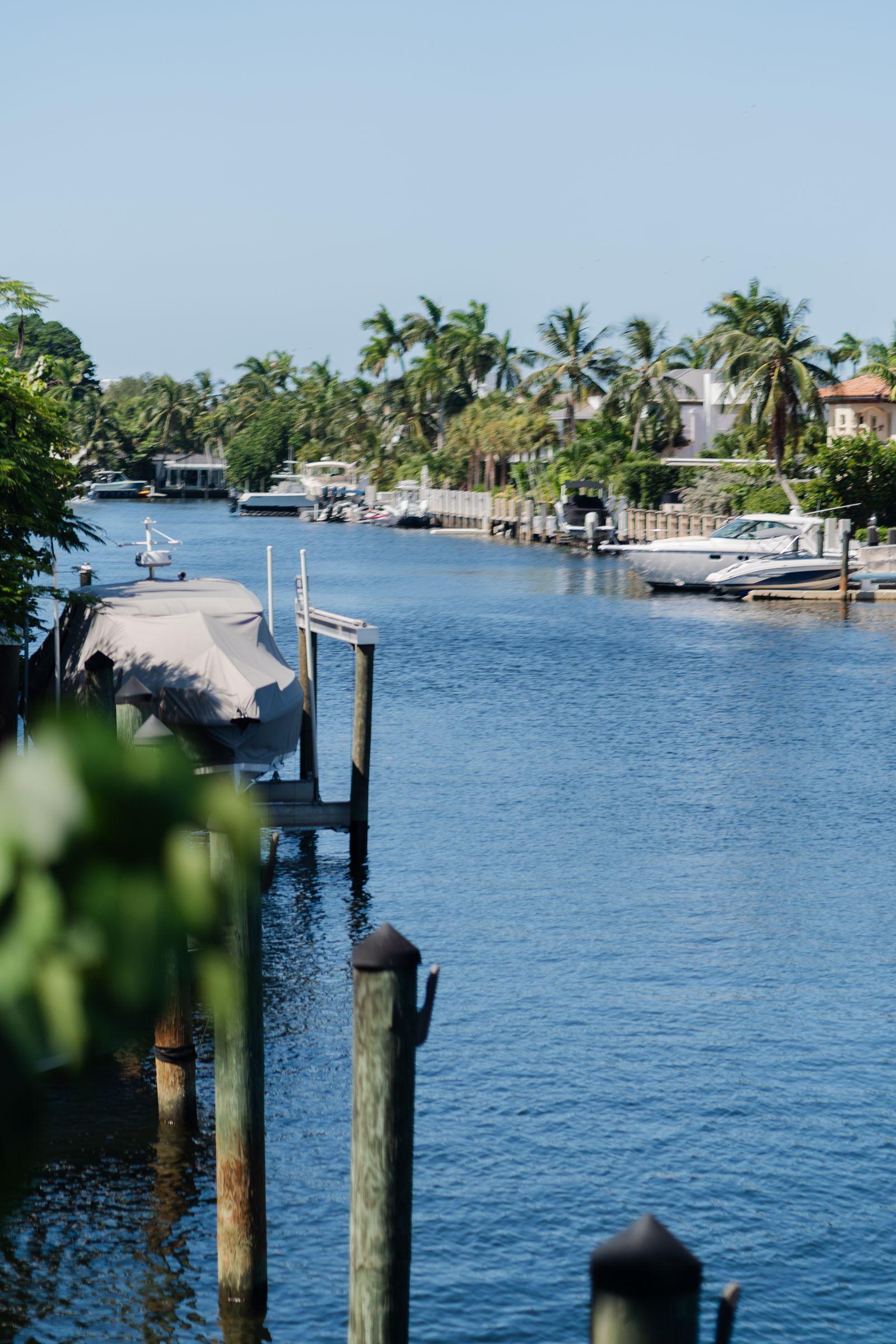
Palm Coast was master-planned around one of the largest man-made saltwater canal networks in the country, so the vast majority of dock and boat lift work here happens on quiet residential canals rather than open water — which is good for calmer conditions but means canal depth and dead-end circulation are the defining engineering factors. Along Intracoastal Waterway, Palm Coast canal system, Bing's Landing waterway, requests for hurricane dock preparation are among the most common we see from Palm Coast waterfront owners.
Hurricane Dock Preparation on Intracoastal Waterway
Because Palm Coast's canals are largely dead-end or looped systems rather than free-flowing tidal rivers, water exchange is slower, so growth on pilings and occasional depth issues at canal ends are more common than storm-wave damage. That matters directly for hurricane dock preparation: Every hurricane season, the docks that survive best are the ones prepared in June, not the ones scrambled on in October. We run a pre-season checklist that catches the weak points before wind and surge find them for you.
Common Local Issues
Aging original dock structures from the community's early development decades, canal siltation at dead-ends, and boat lift upgrades for larger modern boats are the most frequent Palm Coast service calls. Near Bing's Landing and throughout Palm Harbor, Grand Haven, Hammock Dunes, these conditions shape how we approach every hurricane dock preparation project.
Hurricane Dock Preparation: What to Know
The docks that survive First Coast hurricane seasons are prepared in May, not in the forty-eight hours before landfall. By the time a storm has a name and a cone, contractors are booked, hardware store shelves are empty, and the only preparation left is whatever your dock already has. A pre-season structural review does the real work early: identifying the loose connections, tired hardware, and compromised bracing that wind and surge will find — because storms are ruthless auditors of deferred maintenance, and they always find the weak point first.
Surge, not wind, is what kills most docks. Storm surge lifts fixed docks from beneath, and buoyancy plus wave action pries decking and framing off their fasteners board by board. Preparation counters this mechanically: hurricane-rated connections between framing members, through-bolts where nails or undersized screws have been carrying structural loads, and bracing that resists uplift rather than just gravity. Docks upgraded this way routinely ride out storms that strip their neighbors to bare pilings — the difference isn't luck, it's fastener schedules.
Boat lifts have their own pre-storm doctrine. The counterintuitive standard practice: don't leave the boat on the lift if surge is forecast — haul it or move it to a hurricane hole, then secure the empty cradle at mid-height so it can't slam through its travel in the wind. Canopies come off entirely; a lift canopy is a sail bolted to your most expensive dock equipment, and it will either shred or take the frame with it. Power gets shut off at the dock panel before the water arrives, not after.
The storm-week checklist itself is short if the season-start work is done: strip loose items (furniture, coolers, fenders, lines not in use), secure or remove accessories, photograph everything for insurance, kill power, and confirm the boat plan. We provide clients a written version tailored to their dock as part of pre-season preparation — the goal is a fifteen-minute execution when a watch is issued, not a scramble.
Hurricane Dock Preparation Costs in Palm Coast
Across Palm Coast and the surrounding Flagler County waterfront, hurricane dock preparation projects typically fall within $200 – $2,000+ depending on reinforcement needed. Where a specific project lands in that range comes down to inspection scope, reinforcement or hardware upgrades needed, number of structures (dock, lift, seawall) being prepped — and to site conditions on Intracoastal Waterway, since access, water depth, and bottom composition all affect labor and equipment needs. The most reliable way to know your number is a site-specific assessment: photos and a conversation produce a preliminary estimate, and an on-site visit turns it into a firm written quote.
Serving All of Palm Coast
Including Palm Harbor, Grand Haven, Hammock Dunes, Palm Coast Plantation and waterfront property along Intracoastal Waterway and Palm Coast canal system.
Permitting for Hurricane Dock Preparation in Flagler County
Flagler County splits into two permitting worlds. Palm Coast's saltwater canal system is largely a man-made network with its own city-level rules layered over county and FDEP review — the city maintains specific standards for seawalls and dock construction along its canals. Barrier-island communities like Flagler Beach handle their own local review, with extra attention to storm-exposure standards given the A1A corridor's hurricane history. In-kind repairs move fastest in both worlds; new construction and footprint changes take the full path.
Seasonal & Storm Considerations in Palm Coast
Canal-front properties enjoy the calmest day-to-day water on the First Coast — minimal fetch, controlled wake, and none of the open river's pounding. The canal tradeoff is circulation: dead-end and looped canals exchange water slowly, so growth accumulates faster on pilings and lifts, and canal ends silt in over the years. Hurricane season is the great equalizer — surge doesn't respect canal shelter, and elevated water reaches canal structures just as it does riverfront ones — so storm-readiness checks matter here despite the everyday calm.
Signs You Need Hurricane Dock Preparation
- It's been over a year since a professional structural check
- You've never had a formal pre-season inspection
- Your dock or lift shows any looseness, corrosion, or wear
- You want a plan in place before a storm is already in the forecast
How It Works
- 1Pre-season inspection
We check pilings, hardware, decking, and lift components for anything storm conditions would exploit.
- 2Reinforcement
We address loose hardware, weak bracing, and undersized tie-downs before storm season.
- 3Loose item removal plan
We identify what should be removed or secured (cushions, canopies, accessories) ahead of a storm.
- 4Storm-week checklist
You get a specific action list for when a storm is actually approaching.
Why It's Worth Doing Right
- Identifies weak points months before they're tested by a storm
- Reduces total storm damage and post-storm repair costs
- Provides a clear, ready-to-execute plan when a storm is actually approaching
Hurricane Dock Preparation FAQ — Palm Coast
Get a Free Hurricane Dock Preparation Estimate in Palm Coast
Get matched with local contractors serving Palm Coast and Intracoastal Waterway.