Dock Construction in Palm Coast, FL
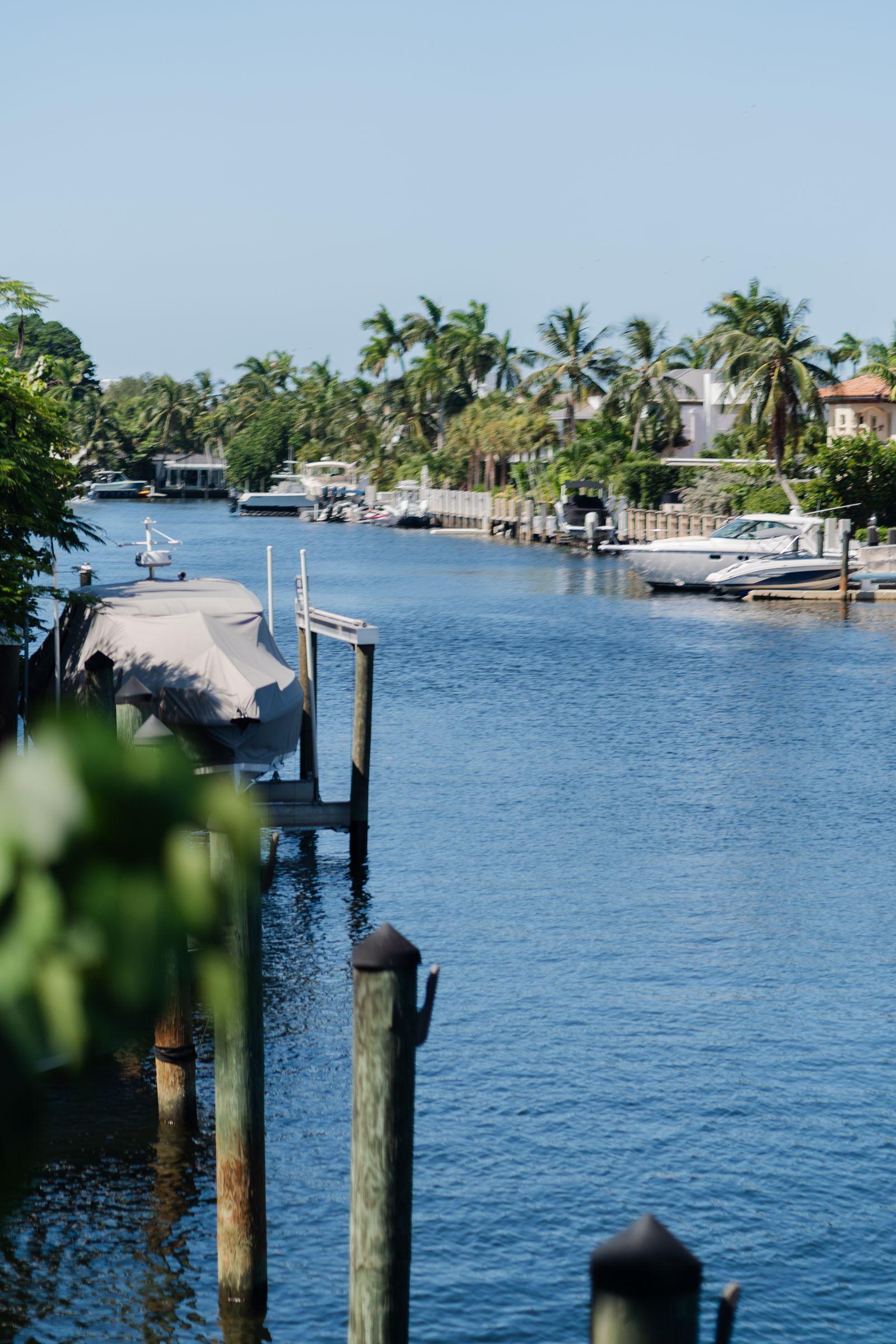
Palm Coast was master-planned around one of the largest man-made saltwater canal networks in the country, so the vast majority of dock and boat lift work here happens on quiet residential canals rather than open water — which is good for calmer conditions but means canal depth and dead-end circulation are the defining engineering factors. Along Intracoastal Waterway, Palm Coast canal system, Bing's Landing waterway, requests for dock construction are among the most common we see from Palm Coast waterfront owners.
Dock Construction on Intracoastal Waterway
Because Palm Coast's canals are largely dead-end or looped systems rather than free-flowing tidal rivers, water exchange is slower, so growth on pilings and occasional depth issues at canal ends are more common than storm-wave damage. That matters directly for dock construction: A new dock is a decade-plus investment, so we design every one around your specific waterway, boat, and how your family actually uses the water — not a one-size-fits-all template.
Common Local Issues
Aging original dock structures from the community's early development decades, canal siltation at dead-ends, and boat lift upgrades for larger modern boats are the most frequent Palm Coast service calls. Near Bing's Landing and throughout Palm Harbor, Grand Haven, Hammock Dunes, these conditions shape how we approach every dock construction project.
Dock Construction: What to Know
Building a new dock in Northeast Florida is as much a permitting and engineering exercise as a construction one. Before a single piling is driven, the project has to clear your county's zoning and building review, and most tidal waterfront also involves the Florida Department of Environmental Protection, because docks sit over state-owned submerged lands. Properties near protected marsh, seagrass, or navigable channels can add Army Corps of Engineers review. An experienced local builder designs around these constraints from day one, which is the difference between a 6-week permit path and a 6-month one.
Good dock design starts with the water, not the lumber catalog. Water depth at mean low tide determines whether you need a short walkout or a long pier to reach usable draft. Bottom composition — sugar sand, silt, shell, or the sticky muck common on river tributaries — drives piling depth and installation method. Wake exposure decides framing spec: a dock on a quiet canal can be built lighter than one taking daily chop on the open Intracoastal or the St. Johns. And how you actually use the water shapes the layout: fishing docks want rod holders, fish-cleaning stations, and open rail lines; entertaining docks want square footage and shade; boaters want lift placement worked out before the first piling goes in, not after.
Material choices set the maintenance curve for the next two decades. Pressure-treated pine framing on treated or concrete pilings is the regional workhorse. For decking, treated wood costs least up front but wants sealing every year or two; composite roughly doubles or triples surface cost but essentially eliminates surface maintenance and splinters, which matters on family docks. Hardware is the quiet decision that matters most: hot-dip galvanized at minimum, stainless where budget allows, because standard fasteners simply dissolve in brackish exposure.
A realistic Northeast Florida timeline: two to four weeks of design and drawings, six to sixteen weeks of permitting depending on county and agency involvement, then one to three weeks of construction once approvals land. The construction itself is usually the fast part — smart owners get the permit clock started early, especially if they want the dock ready for boating season.
Dock Construction Costs in Palm Coast
Across Palm Coast and the surrounding Flagler County waterfront, dock construction projects typically fall within $8,000 – $60,000+ depending on size and materials. Where a specific project lands in that range comes down to dock length and square footage, water depth at low tide, decking material (wood vs. composite vs. aluminum) — and to site conditions on Intracoastal Waterway, since access, water depth, and bottom composition all affect labor and equipment needs. The most reliable way to know your number is a site-specific assessment: photos and a conversation produce a preliminary estimate, and an on-site visit turns it into a firm written quote.
Serving All of Palm Coast
Including Palm Harbor, Grand Haven, Hammock Dunes, Palm Coast Plantation and waterfront property along Intracoastal Waterway and Palm Coast canal system.
Permitting for Dock Construction in Flagler County
Flagler County splits into two permitting worlds. Palm Coast's saltwater canal system is largely a man-made network with its own city-level rules layered over county and FDEP review — the city maintains specific standards for seawalls and dock construction along its canals. Barrier-island communities like Flagler Beach handle their own local review, with extra attention to storm-exposure standards given the A1A corridor's hurricane history. In-kind repairs move fastest in both worlds; new construction and footprint changes take the full path.
Seasonal & Storm Considerations in Palm Coast
Canal-front properties enjoy the calmest day-to-day water on the First Coast — minimal fetch, controlled wake, and none of the open river's pounding. The canal tradeoff is circulation: dead-end and looped canals exchange water slowly, so growth accumulates faster on pilings and lifts, and canal ends silt in over the years. Hurricane season is the great equalizer — surge doesn't respect canal shelter, and elevated water reaches canal structures just as it does riverfront ones — so storm-readiness checks matter here despite the everyday calm.
Signs You Need Dock Construction
- You've purchased waterfront property with no existing dock
- Your current dock is beyond economical repair
- You want deep-water access your current shoreline doesn't offer
- You're upgrading from a fixed dock to accommodate a boat lift
How It Works
- 1Site & waterway assessment
We evaluate bottom conditions, water depth, tidal range, and riparian lines specific to your property.
- 2Custom design
We design dock footprint, decking material, and lift accommodations around your boat and how you use the water.
- 3Permitting
We prepare and submit permit packages to the relevant county, state (FDEP), and Army Corps of Engineers offices.
- 4Construction
Our crews build to the approved plans using marine-grade materials rated for Florida saltwater exposure.
- 5Final inspection & handoff
We walk the finished dock with you and provide documentation for your records and insurance.
Why It's Worth Doing Right
- Custom-engineered for your specific waterway and vessel
- Full permitting handled in-house, start to finish
- Choice of pressure-treated wood, aluminum, or composite decking
- Built to current Florida Building Code wind and flood standards
Dock Construction FAQ — Palm Coast
Get a Free Dock Construction Estimate in Palm Coast
Get matched with local contractors serving Palm Coast and Intracoastal Waterway.