The short version
Pressure-treated wood costs less to install but requires ongoing maintenance (sanding, staining, sealing every 1-2 years) and typically needs full replacement every 10-15 years in Florida's sun and saltwater exposure. Composite decking costs roughly 2-3x more upfront but eliminates routine maintenance and commonly lasts 25+ years, often backed by long manufacturer warranties.
Cost comparison
- Pressure-treated wood: roughly $8-$18 per square foot installed
- Tropical hardwood (e.g., ipe): roughly $20-$30 per square foot installed
- Composite decking: roughly $18-$35+ per square foot installed
Where wood still wins
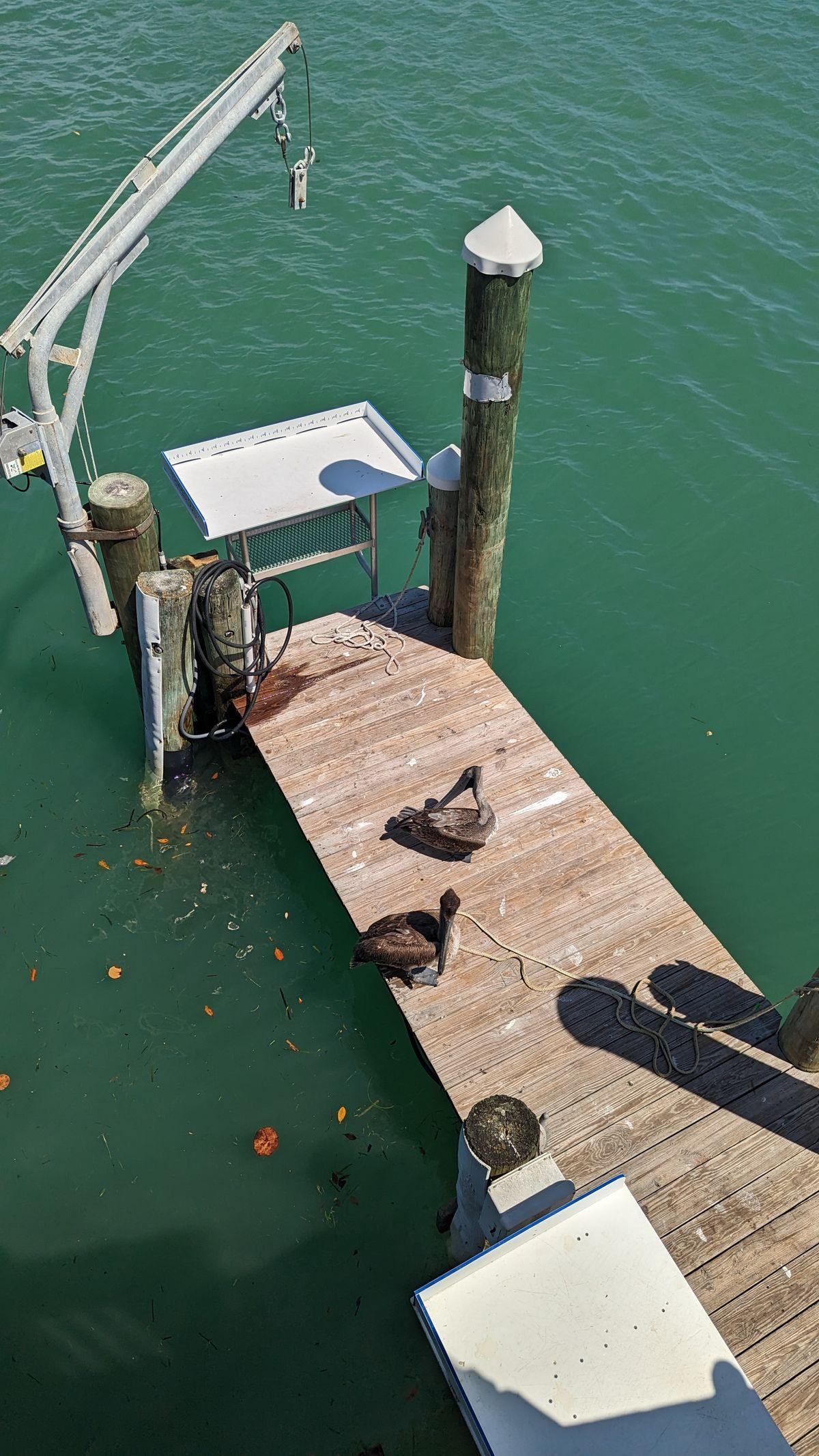
If you're on a tighter budget, planning to sell in the next few years, or simply prefer the traditional look and feel of real wood underfoot, pressure-treated lumber remains a reasonable choice — as long as you're realistic about the maintenance commitment.
Where composite wins
For owners planning to stay long-term, composite's near-zero maintenance and resistance to splintering, graying, and rot make the higher upfront cost pay for itself over a 15-20 year horizon — especially for barefoot-friendly family docks.
A note on heat
Not all composite is created equal in direct Florida sun — lighter colors and capped composite boards stay noticeably cooler underfoot than dark, uncapped early-generation composite products. Ask to see samples in direct sunlight before choosing a color.
The 20-year math
Run the numbers over a realistic ownership horizon and the comparison sharpens. A wood deck surface at $8–$18 per square foot needs sealing every year or two (figure $1–$2 per square foot per application if hired out) and full replacement around year 12–15 over brackish water. Composite at $18–$35 per square foot needs essentially nothing and is still under warranty at year 25. For a 400-square-foot dock, the total-cost-of-ownership lines typically cross somewhere between years 8 and 12 — after which composite is simply cheaper, before counting the weekends you didn't spend sanding.
The framing spacing gotcha
One line item surprises owners converting from wood: joist spacing. Composite boards typically require 16-inch centers where older wood docks were framed at 24 inches, so a conversion often includes adding intermediate framing. It's routine work, but it belongs in the quote up front — a composite bid that doesn't mention your existing joist spacing hasn't looked closely enough.
Which owner is which
Choose wood if you're budget-constrained now, comfortable with annual maintenance, or planning to sell within a few years and just need the dock presentable. Choose composite if you're holding the property long-term, want a barefoot-family surface, or you're already paying someone to maintain wood — that maintenance line converts directly into composite's payback. Either way, spend properly on fasteners: stainless steel under both materials, because the cheapest way to ruin a new deck surface of any kind is corroding hardware beneath it.