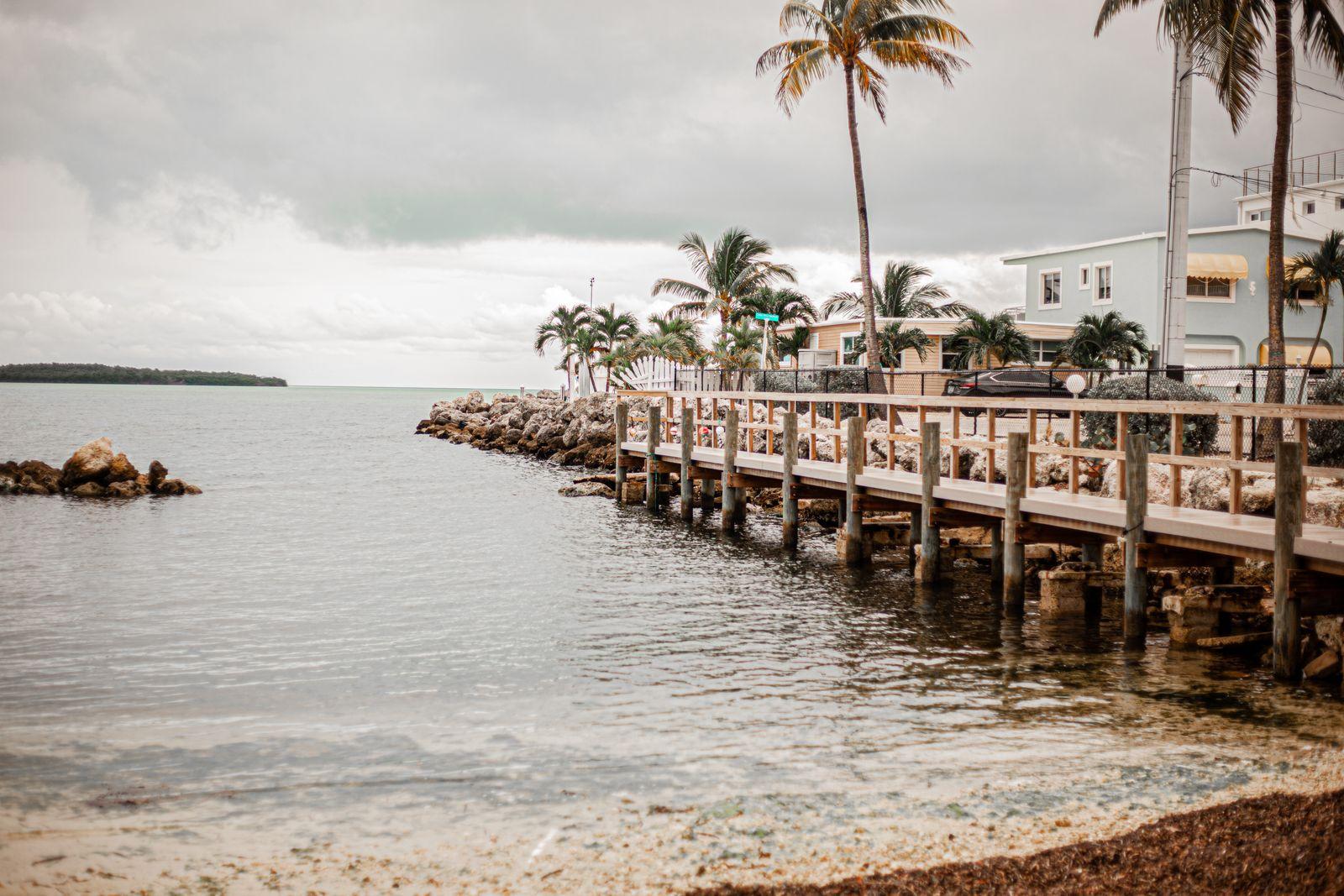
Florida dock permitting confuses a lot of first-time waterfront owners because it isn't a single application — it's potentially three layers of review, each handled by a different agency.
The three permitting layers
- County: zoning, setbacks, and local building code compliance.
- Florida DEP: review for projects affecting state sovereign submerged lands — this covers most waterfront dock construction.
- Army Corps of Engineers: applies when a project affects a federally designated navigable waterway or jurisdictional wetlands.
Do you always need all three?
No. A small in-kind repair might need only a county permit, or none at all. New dock construction extending into open water on a river like the St. Johns is far more likely to need all three layers of review.
Realistic timelines
Expect 6-16 weeks for permitting depending on your county and project scope. Simple in-kind repairs can move much faster; new construction requiring state and federal review takes longer.
One thing that saves future headaches
Keep your original dock permit documentation. It significantly speeds up future in-kind repair or rebuild permitting, and it's one of the first things a buyer's inspector or insurance carrier will ask about.
What repairs are exempt
The maintenance exemption is narrower than most owners assume, but it's real: replacing decking boards like-for-like, swapping corroded hardware, and repairing components without changing the structure's size, height, or footprint generally proceed without new permits across the First Coast counties. The line is structural change — new pilings, extended length, added coverage, or a lift where there wasn't one all cross it. When in doubt, a contractor who files in your county weekly can answer in one phone call what a general web search can't answer reliably at all.
What's in an application package
Expect to need a survey or site plan showing property and riparian lines, construction drawings with dimensions and materials, and for state-level review, information on water depths and any seagrass or marsh in the work area. The most common delay generators are incomplete drawings and riparian-line questions with neighbors — both solvable up front, both expensive to solve after submission.
The local layers
County-level review is only the base. St. Augustine's historic districts add architectural review; shoreline near the Guana reserve draws extra environmental attention; Palm Coast applies city standards to its canal network; and planned communities across the region add HOA approval with its own timeline. Applications designed around the specific reviewers involved clear meaningfully faster — local familiarity is worth real calendar time here.