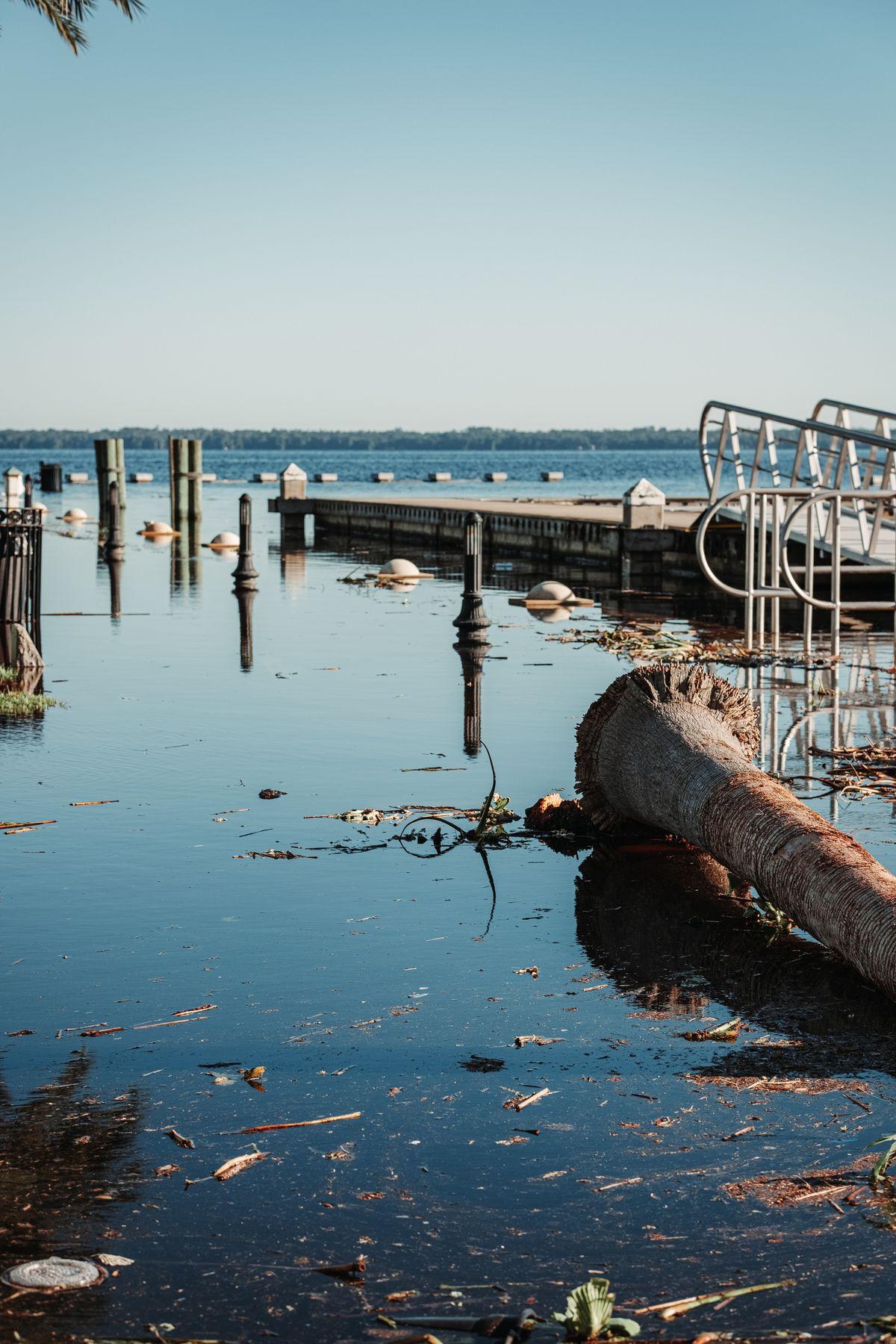
A dock that gets a little attention four times a year rarely needs a big repair bill. Most of the structural problems we see start as small, cheap fixes that went unnoticed for a season or two — a loose fastener that lets a board work itself free, a corroding bracket that finally lets go under load, a piling wrap that split and let borers in. Spreading maintenance across the year instead of doing it all at once (or never) is the single biggest lever a Florida waterfront owner has over their long-term repair costs.
Why a seasonal schedule beats reactive repairs
Reactive maintenance — fixing things only after they visibly fail — costs more for a simple reason: by the time a problem is visible, it has usually already spread. A hairline crack in a piling wrap becomes a hollowed-out piling section. A slightly loose cleat becomes a torn-out deck board. Florida's combination of heat, humidity, saltwater, and UV exposure accelerates every one of these failure modes faster than most other coastal markets, which is exactly why a seasonal checklist earns its keep here more than almost anywhere else.
Spring
- Inspect decking for winter wear, loose boards, or popped fasteners
- Check hardware for early corrosion before the humid season sets in
- Clean and inspect boat lift bunks and cables
Early summer (pre-hurricane season)
- Full structural inspection of pilings, framing, and hardware
- Reinforce or replace anything questionable before storm season begins June 1st
- Confirm your storm-week action plan for boat and canopy removal
Late summer / fall
- Post-storm-season inspection even if no direct hits occurred — cumulative wave action adds up
- Address any marine growth buildup on pilings and lift components
Winter
- Lower-priority season for most First Coast docks, but a good time for cosmetic refinishing (sanding, sealing wood decking)
- Schedule any major repair or rebuild work while demand is typically lower
What a professional inspection catches that DIY doesn't
Homeowner checklists are good at catching what's visible above the waterline — loose boards, obvious rust, a wobbly rail. What they routinely miss is anything below the surface: piling wall thickness, hidden hardware corrosion inside connection points, and early marine borer activity that hasn't broken the surface yet. A professional inspection, ideally every two to three years even on a dock that looks fine, uses tools and experience to catch these before they become structural. For docks over 15 years old, or anything in a higher-salinity inlet or open-river location, that interval is worth tightening to every one to two years.
Building your checklist by water body type
Not every First Coast dock ages the same way, so the checklist above is a baseline, not a fixed schedule. Open-river and Intracoastal docks facing real fetch and current need more frequent hardware checks than a sheltered canal or lake dock, where marine growth accumulation is usually the bigger issue instead. Canal-front docks in slower-flushing sections should add a mid-summer check for growth buildup on pilings and lift components. Whatever your waterway, the checklist works best treated as a living document — adjust the frequency of any item based on what your last two or three inspections actually found, not just the calendar. Keep a simple written or photo log each season; three or four years of that record turns vague impressions (“the hardware seems fine”) into an actual maintenance history you or a future buyer can rely on.