Pilings
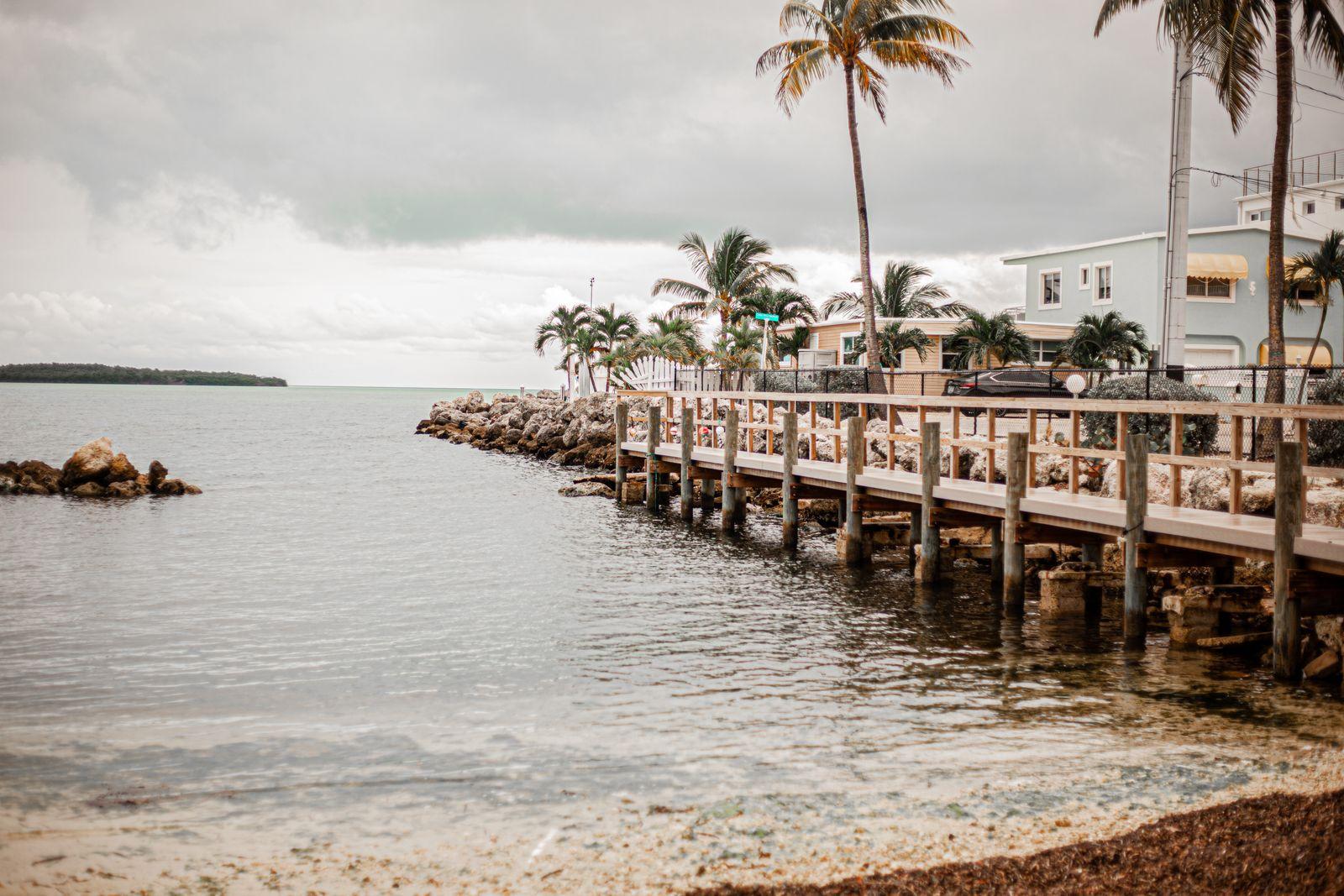
Treated wood remains the most affordable piling option but is the most vulnerable to marine borer activity, particularly in high-current areas like river mouths and inlets. Concrete and composite pilings resist marine borers entirely and generally outlast wood, at a higher upfront cost.
Decking
Pressure-treated wood is budget-friendly but needs regular sealing. Composite decking costs more but eliminates that maintenance cycle and typically lasts twice as long or more.
Hardware
This is where corners get cut most often, and where it matters most. Hot-dip galvanized or marine-grade stainless steel hardware costs more than standard galvanized fasteners but resists the brackish and saltwater corrosion that causes premature hardware failure across the First Coast.
Bulkheads and seawalls
Vinyl sheet pile systems generally outlast timber bulkheads by a wide margin and resist marine borers entirely, while concrete panel systems offer strong wave resistance for higher-exposure shorelines.
The metallurgy that matters
Fastener metal is worth understanding in slightly more depth, because it's where budget builds fail first. Standard zinc-plated hardware can rust through in two or three seasons over brackish water. Hot-dip galvanized — a thick bonded zinc coating, not plating — is the working minimum for structural connections and typically gives many years of service. Marine-grade stainless (316 preferred over 304 near salt) is the premium tier that outlasts the lumber around it. The cost difference across a whole dock is a few hundred dollars; the lifespan difference is measured in years of connection integrity.
Protecting wood pilings
Where treated timber pilings are the budget choice, wraps and sleeves change their odds: HDPE or vinyl barriers installed at the waterline and mudline deny marine borers access to the wood and shield the highest-wear zone from abrasion. In the First Coast's higher-salinity zones near inlets, wrapped timber is the smart middle path between bare wood's vulnerability and concrete's price.
Matching material to exposure
A sheltered canal dock can be built economically in treated wood with galvanized hardware and deliver decades of service. An open-river or inlet-adjacent structure justifies stepping up: stainless hardware, wrapped or concrete pilings, and composite decking that shrugs off the maintenance the exposure would otherwise demand. Matching the material tier to the site's actual energy and salinity — rather than defaulting to cheapest or most premium — is where informed owners save the most money over an ownership span.