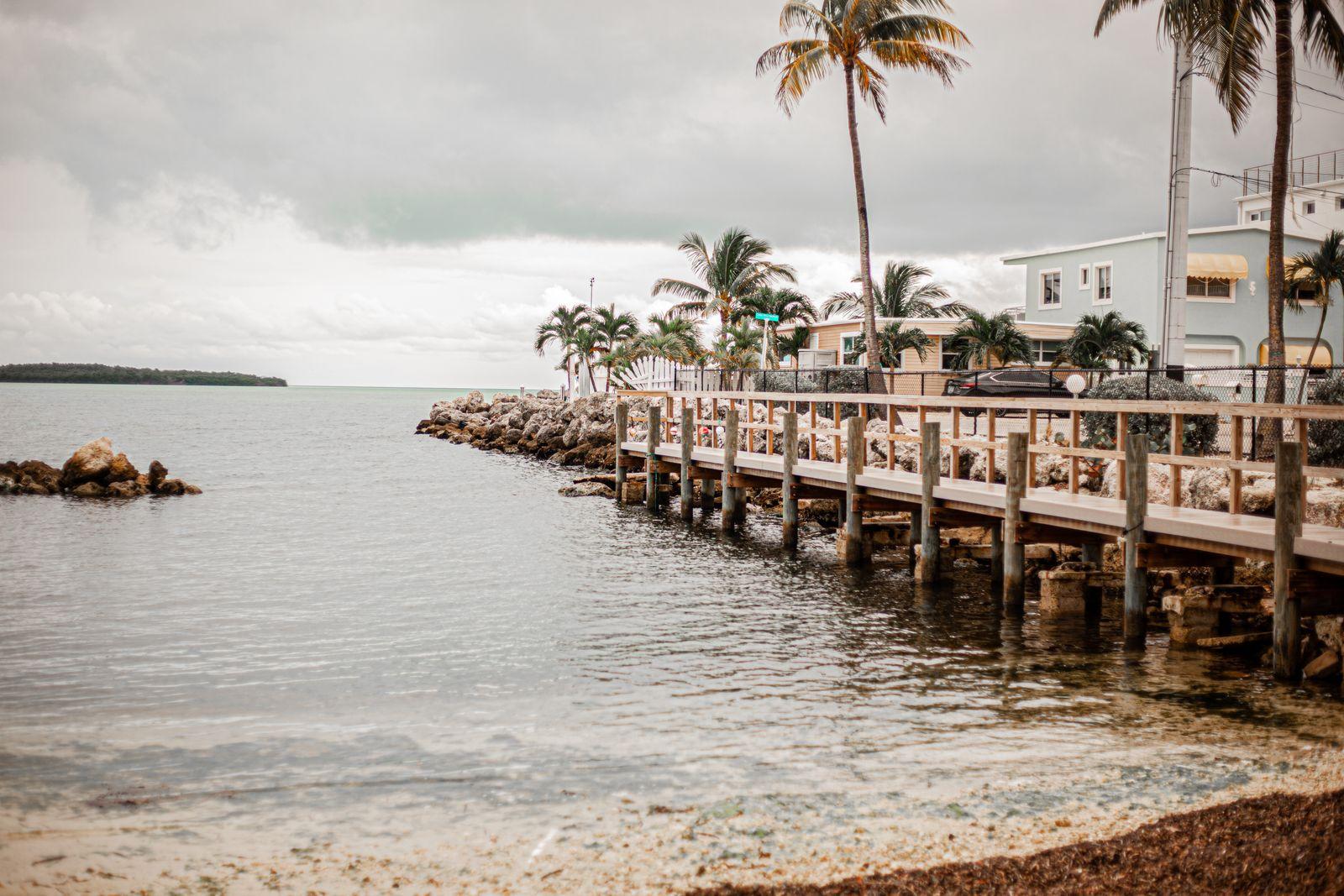
Bulkhead Repair in St. Augustine Beach, FL
St. Augustine Beach's boating community is centered on Salt Run, a sheltered tidal lagoon behind Anastasia State Park that gives Anastasia Island residents protected, no-wake water for docks and lifts even though the open Atlantic is just a short walk away. Along Atlantic Ocean, Intracoastal Waterway, Salt Run, requests for bulkhead construction & repair are among the most common we see from St. Augustine Beach waterfront owners.
Bulkhead Repair on Atlantic Ocean
Salt Run's calmer, current-light water is easier on docks day-to-day than open ICW frontage, but its narrow lagoon geometry means precise lift placement and shared-access considerations matter more here. That matters directly for bulkhead construction & repair: A bulkhead is quietly doing one of the most important jobs on your property — holding your yard in the ground. When it fails, you lose land, not just a wall, which is why we treat bulkhead work as structural, not cosmetic.
Common Local Issues
State park adjacency brings extra environmental permitting steps, and the lagoon's limited flushing means marine growth on pilings tends to build up faster than in higher-flow locations. Near St. Augustine Beach Pier and throughout Anastasia Island, Ocean Vista, Butler Beach, these conditions shape how we approach every bulkhead construction & repair project.
Bulkhead Construction & Repair: What to Know
A bulkhead has one job: holding your land out of the water. Along the First Coast's rivers and canals, that job never pauses — every tide cycle loads and unloads the wall, rain saturates the soil behind it, and boat wake works at the toe. When a bulkhead starts to go, the property behind it goes with it, which is why bulging panels, soil sinkholes near the cap, and gaps at the seams deserve immediate attention rather than a spot on next year's list. Erosion behind a failing wall accelerates; the repair scope you're quoted this season is genuinely smaller than next season's.
Material choice defines the wall's lifespan. Traditional treated timber bulkheads are the cheapest to build and the shortest-lived here — marine borers and rot typically hold them to 15–25 years. Vinyl sheet piling has become the First Coast standard for replacement work: immune to borers and rot, unaffected by brackish water chemistry, and good for 30–50 years with a properly built cap and tie-back system. Concrete panel walls carry the highest price and the strongest wave resistance, earning their keep on exposed shorelines with real fetch. We spec by site energy and soil, not by a house-brand default.
What actually kills most bulkheads isn't the wall face — it's water pressure behind it. Rain and tide-cycle water trapped behind a wall with blocked or missing weep holes builds hydrostatic pressure until something gives: panels bow, caps crack, tie-backs pull. The other quiet killer is tie-back failure, when the buried anchors and rods that hold the wall against soil load corrode through. Good bulkhead engineering is mostly drainage engineering plus anchoring engineering; the visible wall is the simplest part of the system.
Repair versus replace comes down to which part of the system failed. Isolated seam gaps, cap deterioration, or localized soil loss can often be repaired and the wall's life extended years. Widespread bowing, multiple failed tie-backs, or rot through structural members usually means replacement — often installing new vinyl wall directly in front of the old one, which avoids excavating your yard and uses the existing wall as a form. Permitting applies in every First Coast county, and on tidal water FDEP review is standard, and the contractor you're matched with handles both as part of the project.
Bulkhead Repair Costs in St. Augustine Beach
Across St. Augustine Beach and the surrounding St. Johns County waterfront, bulkhead construction & repair projects typically fall within $250 – $600+ per linear foot. Where a specific project lands in that range comes down to material (vinyl, concrete, or timber), wall height and soil pressure, tie-back and anchoring system complexity — and to site conditions on Atlantic Ocean, since access, water depth, and bottom composition all affect labor and equipment needs. The most reliable way to know your number is a site-specific assessment: photos and a conversation produce a preliminary estimate, and an on-site visit turns it into a firm written quote.
Serving All of St. Augustine Beach
Including Anastasia Island, Ocean Vista, Butler Beach and waterfront property along Atlantic Ocean and Intracoastal Waterway.
Permitting for Bulkhead Repair in St. Johns County
St. Johns County permitting adds a wrinkle most Florida counties don't have: environmental sensitivity. Large stretches of shoreline here border the Guana Tolomato Matanzas National Estuarine Research Reserve or fall within St. Augustine's historic districts, and both add review layers beyond the standard county-plus-FDEP path. Projects near the reserve see closer environmental scrutiny of shading, seagrass, and marsh impacts; historic-district properties get architectural review. None of this prevents good projects — it rewards applications prepared by contractors who know what these reviewers look for, which routinely saves months.
Seasonal & Storm Considerations in St. Augustine Beach
Intracoastal and inlet-adjacent properties live with the strongest tidal engines on the First Coast — six-foot swings, fast currents, and daily wake from the boat traffic funneling toward the ocean. That constant energy accelerates every wear process: fastener corrosion runs faster in full-salinity water, marine growth loads pilings quicker, and nor'easters — not just named storms — deliver days of elevated water and pounding chop each fall and winter. Owners here get the most from twice-yearly checks: once ahead of hurricane season, once after the fall nor'easter stretch.
Signs You Need Bulkhead Repair
- Visible leaning, bulging, or bowing along the wall face
- Soil erosion or sinkholes forming behind the bulkhead
- Gaps opening at panel seams or the top cap
- Rust staining or spalling on concrete bulkheads
- Water visibly flowing through or under the wall at low tide
How It Works
- 1Structural assessment
We evaluate the wall, tie-back system, and soil conditions behind it to find the actual cause of failure.
- 2Design & permitting
We design the repair or replacement and secure required county/state permits.
- 3Construction
We install or repair using vinyl sheet pile, concrete panel, or treated timber systems matched to your site.
- 4Backfill & finish grade
We restore backfill and grading so your yard transitions cleanly to the new wall.
Why It's Worth Doing Right
- Protects your property line from erosion and land loss
- Vinyl systems resist marine borers and corrosion better than timber
- Properly engineered tie-back systems prevent recurring failure
Bulkhead Repair FAQ — St. Augustine Beach
Get a Free Bulkhead Repair Estimate in St. Augustine Beach
Get matched with local contractors serving St. Augustine Beach and Atlantic Ocean.