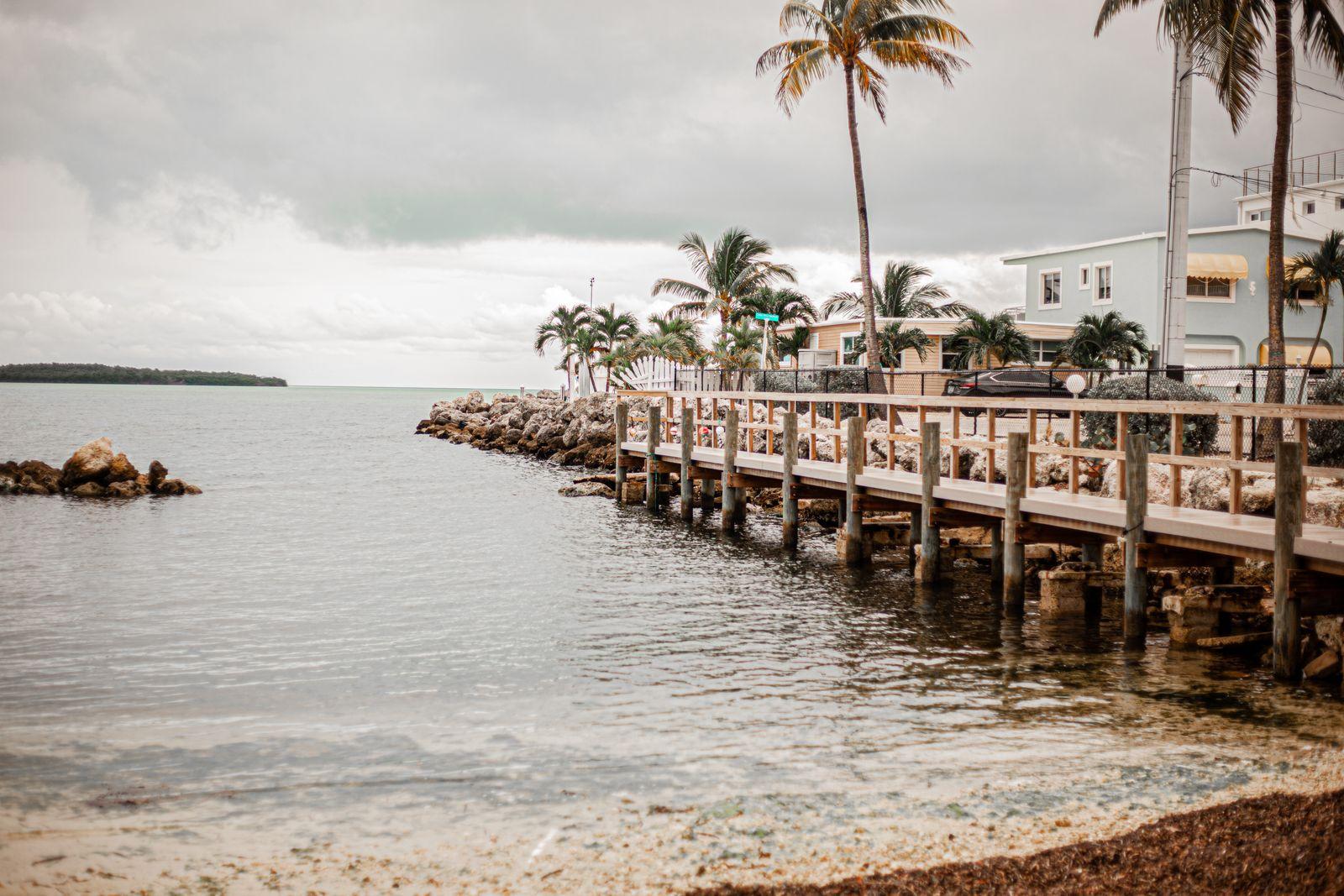
Boat Lift Installation in Jacksonville Beach, FL
Jacksonville Beach docks sit almost entirely along the Intracoastal Waterway and its marsh creeks rather than the open Atlantic, which means most structures here are built to handle salt marsh mud bottoms, strong tidal exchange, and heavy boat traffic funneling toward the inlet. Along Atlantic Ocean, Intracoastal Waterway, Hopkins Creek, requests for boat lift installation are among the most common we see from Jacksonville Beach waterfront owners.
Boat Lift Installation on Atlantic Ocean
The Intracoastal through Jacksonville Beach carries a steady stream of recreational boat traffic heading to the ocean inlet, so docks and lifts here need to handle more frequent wake exposure than a quiet backwater canal would see. That matters directly for boat lift installation: The single most common boat lift mistake we correct is undersizing — a lift rated too close to a boat's actual weight fails early and often. We size every installation with margin for your specific vessel and water conditions.
Common Local Issues
Salt marsh mud, fast tidal currents, and near-daily boat wake are the three forces that wear down Jacksonville Beach docks fastest — we regularly replace undersized pilings and rebuild bulkheads that were never designed for this level of wave energy. Near Jacksonville Beach Pier and throughout Isle of Palms, Sailfish Point, Marsh Landing, these conditions shape how we approach every boat lift installation project.
Boat Lift Installation: What to Know
A boat lift is the single best protection you can buy for a boat that lives on Northeast Florida water. Hulls stored in brackish water grow barnacles and slime within weeks, bottom paint becomes a recurring expense, and through-hull fittings sit in corrosive water around the clock. Lifted storage eliminates nearly all of it — and when a tropical system threatens, a lift gets your boat out of the surge zone in minutes instead of leaving you hunting for a haul-out slot alongside every other owner on the river.
Sizing is where lift installations most often go wrong, and it's the first thing we check. The number that matters isn't the boat's brochure dry weight — it's real-world weight: fuel (at roughly six pounds per gallon), water, batteries, gear, T-top, and the safety margin for rainwater in the bilge. The working rule is lift capacity at least 30–40% above loaded weight. An undersized lift strains its motors and cables constantly and fails early; correctly sized, the same components last years longer. Lift type follows the site: four-post cradle lifts for most open water, elevator lifts for tight canals and seawall situations where outboard pilings won't fit.
The supporting structure deserves as much attention as the lift hardware. Lift pilings carry the full weight of the boat plus dynamic loads from wind and wake, so they need adequate diameter and embedment for the bottom conditions — the soft muck bottoms common on river tributaries demand deeper setting than hard sand. Electrical is its own discipline: marine-rated wiring, GFCI protection, and properly enclosed switches, because dockside power in a saltwater environment is uniquely unforgiving of shortcuts.
Permitting for a lift added to an existing dock is generally simpler than dock construction itself, but it's still a permit in every First Coast county, and HOA or architectural review adds a layer in many planned waterfront communities. From contract to first launch, a typical installation runs a few weeks including permitting, with the on-site work usually done in one to three days once pilings are set.
Boat Lift Installation Costs in Jacksonville Beach
Across Jacksonville Beach and the surrounding Duval County waterfront, boat lift installation projects typically fall within $6,000 – $25,000+ depending on capacity and type. Where a specific project lands in that range comes down to boat weight and lift capacity required, direct lift vs. cradle vs. elevator lift type, piling reinforcement needs — and to site conditions on Atlantic Ocean, since access, water depth, and bottom composition all affect labor and equipment needs. The most reliable way to know your number is a site-specific assessment: photos and a conversation produce a preliminary estimate, and an on-site visit turns it into a firm written quote.
Serving All of Jacksonville Beach
Including Isle of Palms, Sailfish Point, Marsh Landing, South Beach and waterfront property along Atlantic Ocean and Intracoastal Waterway.
Permitting for Boat Lift Installation in Duval County
Waterfront work in Duval County routes through the City of Jacksonville's building and zoning review, with most tidal projects also involving Florida DEP because docks and walls sit over state-owned submerged lands. Structures along the main St. Johns channel or the Intracoastal can additionally trigger Army Corps of Engineers review given the federally maintained navigation channels. In-kind repairs generally move quickly; new footprints, extensions, and covered structures take the fuller path — typically six to sixteen weeks depending on scope. The beach municipalities (Jacksonville Beach, Atlantic Beach, Neptune Beach) layer their own local review on top of county and state requirements.
Seasonal & Storm Considerations in Jacksonville Beach
Intracoastal and inlet-adjacent properties live with the strongest tidal engines on the First Coast — six-foot swings, fast currents, and daily wake from the boat traffic funneling toward the ocean. That constant energy accelerates every wear process: fastener corrosion runs faster in full-salinity water, marine growth loads pilings quicker, and nor'easters — not just named storms — deliver days of elevated water and pounding chop each fall and winter. Owners here get the most from twice-yearly checks: once ahead of hurricane season, once after the fall nor'easter stretch.
Signs You Need Boat Lift Installation
- You currently dock your boat in the water full-time
- Your boat's hull shows marine growth from constant water exposure
- You're upgrading to a heavier or larger boat
- Storm forecasts have you wanting your boat out of the water quickly
How It Works
- 1Boat & site assessment
We confirm your boat's actual weight (not just published dry weight) and your dock's structural capacity.
- 2Lift selection
We recommend lift type — direct lift, cradle, or elevator — and capacity with appropriate safety margin.
- 3Structural prep
We reinforce or add pilings as needed to support the lift under full load and wind conditions.
- 4Installation & calibration
We install, wire, and calibrate the lift, then walk you through safe operation.
Why It's Worth Doing Right
- Protects your hull from marine growth, blistering, and constant water exposure
- Extends time between bottom paint and hull maintenance
- Gets your boat out of the water fast ahead of storms
- Sized with safety margin, not just to the minimum rated capacity
Boat Lift Installation FAQ — Jacksonville Beach
Get a Free Boat Lift Installation Estimate in Jacksonville Beach
Get matched with local contractors serving Jacksonville Beach and Atlantic Ocean.