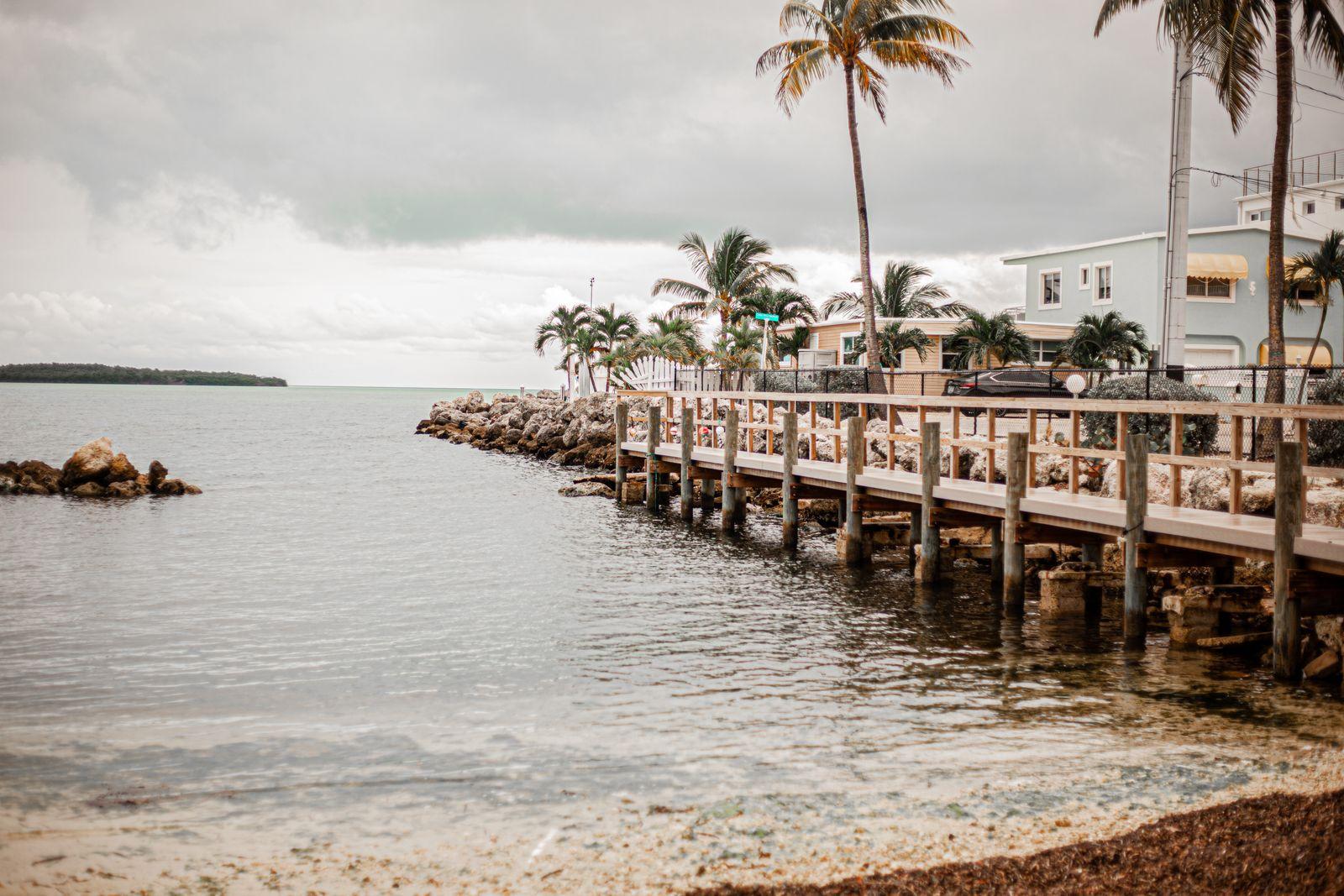
Dock Inspections in Atlantic Beach, FL
Atlantic Beach's residential canals branch off the Intracoastal into quieter, marsh-lined fingers, giving most homeowners here a calmer waterfront than the open ICW — but that same marsh environment brings its own set of challenges for dock longevity. Along Intracoastal Waterway, Tideviews Preserve marsh, Hanna Park coastal wetlands, requests for dock inspections are among the most common we see from Atlantic Beach waterfront owners.
Dock Inspections on Intracoastal Waterway
Because so much of Atlantic Beach's waterfront sits on protected finger canals near Tideviews Preserve, siltation and shallow water at low tide are bigger day-to-day concerns here than wave energy. That matters directly for dock inspections: A dock inspection gives you a documented, professional read on what's actually happening below the waterline — where most serious problems start and are hardest to see yourself.
Common Local Issues
Shallow, siltation-prone canals mean Atlantic Beach docks often need lift adjustments and piling extensions as bottoms build up over time, and marsh grass regulations affect how close to shore new construction can extend. Near Hanna Park and throughout Selva Marina, Sherwood Forest, Royal Palms, these conditions shape how we approach every dock inspections project.
Dock Inspections: What to Know
A dock inspection answers the question every waterfront owner eventually faces: what is this structure actually worth trusting with? The honest answer lives mostly out of sight — at the waterline, at the mudline, and inside the connections — which is why a professional inspection walks the whole system rather than the deck surface. Above water: decking condition, framing, fastener corrosion, railing and ladder security, and the electrical serving lights or lifts. At and below the waterline: piling condition, marine borer evidence, scour at the base, and the wall or shoreline interface where docks most often hide their worst news.
The inspection moments that matter most are transactions and insurance. For buyers, a dock is routinely a five-figure asset attached to the home purchase — and standard home inspections explicitly exclude it. A pre-purchase dock inspection converts an unknown into a documented condition report and, where problems exist, a negotiating position measured in real repair numbers. For sellers, inspecting before listing surfaces issues while they're still yours to fix on your schedule, rather than discoveries that stall a closing. Insurers increasingly ask for condition documentation on waterfront structures too, particularly after storm claims.
What a written report gives you that a walk-around opinion doesn't: photographic documentation of each finding, severity ratings that separate monitor-this from fix-this-now, and repair scoping you can hand directly to a contractor — or to the other side of a negotiation. After major storms, that same documentation becomes the before-and-after record that substantiates an insurance claim; owners with a pre-storm report in hand consistently have an easier claims experience than those trying to prove prior condition from memory.
Cadence recommendation for the First Coast: a professional inspection every two to three years for wood docks in brackish water, annually for older structures, and event-driven inspections after any major storm, impact, or when buying or selling. Between professional visits, the owner's job is simple — walk the dock monthly and note anything that moved, softened, or rusted since last time.
Dock Inspections Costs in Atlantic Beach
Across Atlantic Beach and the surrounding Duval County waterfront, dock inspections projects typically fall within $150 – $500 per inspection. Where a specific project lands in that range comes down to dock size, whether underwater piling inspection is included, report detail required (e.g., for insurance vs. general check) — and to site conditions on Intracoastal Waterway, since access, water depth, and bottom composition all affect labor and equipment needs. The most reliable way to know your number is a site-specific assessment: photos and a conversation produce a preliminary estimate, and an on-site visit turns it into a firm written quote.
Serving All of Atlantic Beach
Including Selva Marina, Sherwood Forest, Royal Palms, Old Atlantic Beach and waterfront property along Intracoastal Waterway and Tideviews Preserve marsh.
Permitting for Dock Inspections in Duval County
No Duval County permit is required for dock inspections — nothing is being built or altered. Permitting matters for what comes next, since this work frequently identifies repairs that do need approval. Here is how that process works locally. Waterfront work in Duval County routes through the City of Jacksonville's building and zoning review, with most tidal projects also involving Florida DEP because docks and walls sit over state-owned submerged lands. Structures along the main St. Johns channel or the Intracoastal can additionally trigger Army Corps of Engineers review given the federally maintained navigation channels. In-kind repairs generally move quickly; new footprints, extensions, and covered structures take the fuller path — typically six to sixteen weeks depending on scope. The beach municipalities (Jacksonville Beach, Atlantic Beach, Neptune Beach) layer their own local review on top of county and state requirements.
Seasonal & Storm Considerations in Atlantic Beach
Intracoastal and inlet-adjacent properties live with the strongest tidal engines on the First Coast — six-foot swings, fast currents, and daily wake from the boat traffic funneling toward the ocean. That constant energy accelerates every wear process: fastener corrosion runs faster in full-salinity water, marine growth loads pilings quicker, and nor'easters — not just named storms — deliver days of elevated water and pounding chop each fall and winter. Owners here get the most from twice-yearly checks: once ahead of hurricane season, once after the fall nor'easter stretch.
Signs You Need Dock Inspections
- You're buying or selling waterfront property
- Your insurance carrier requires documentation
- It's been several years since the dock was professionally assessed
- You've noticed any movement, sound, or visible change in the structure
How It Works
- 1Above-water assessment
We check decking, framing, hardware, and visible piling condition.
- 2Below-water assessment
We inspect piling condition at and below the waterline where rot and marine borer damage start.
- 3Written report
You receive a documented report suitable for insurance, real estate transactions, or your own planning.
- 4Recommendations
We outline any repairs needed, prioritized by urgency.
Why It's Worth Doing Right
- Documents structural condition for insurance or real estate purposes
- Catches below-waterline problems before they become visible failures
- Gives you a prioritized, no-pressure repair roadmap
Dock Inspections FAQ — Atlantic Beach
Get a Free Dock Inspections Estimate in Atlantic Beach
Get matched with local contractors serving Atlantic Beach and Intracoastal Waterway.